Song Meaning
These lyrics plunge headfirst into the exhilarating rush of an all-consuming passion. The narrator's heart "dispara ao te ver" (races when seeing you), immediately establishing a visceral, undeniable connection. This isn't just any romance; it's a love so potent it's described as "da cor do pecado" (the color of sin), hinting at something intense, perhaps a little forbidden, but undeniably vibrant.
The central tension here lies in that very phrase, "the color of sin." It suggests a love that might defy convention or burn with an almost dangerous intensity, yet the narrator also claims, "Sou mais eu quando estou ao seu lado" (I am more myself when I am by your side). This duality — a love that feels both transgressive and deeply authentic — creates a compelling emotional landscape, where self-discovery is intertwined with a powerful, almost illicit connection.
The craft truly shines in the chorus, where the love expands from the personal to the cosmic. It's not just "Tá em nós, tá no ar" (in us, in the air), but also "na terra, no mar, nas estrelas" (on land, in the sea, in the stars). This expansive imagery elevates the relationship beyond mere human connection, portraying it as an all-encompassing force of nature. This grand scale, however, is immediately undercut by a profound vulnerability: "posso enlouquecer, se perdê-la" (I can go crazy if I lose her), revealing the high stakes of such an overwhelming bond.
Ultimately, these lyrics are effective because they capture the intoxicating, almost dizzying experience of being utterly consumed by love. The hyperbole, like "Já não vivo se for sem você" (I no longer live if it's without you), isn't just melodrama; it's a raw articulation of how passion can redefine one's very existence. The blend of intense joy, a touch of danger, and a deep-seated fear of loss makes this portrayal of love feel both exhilarating and profoundly human.
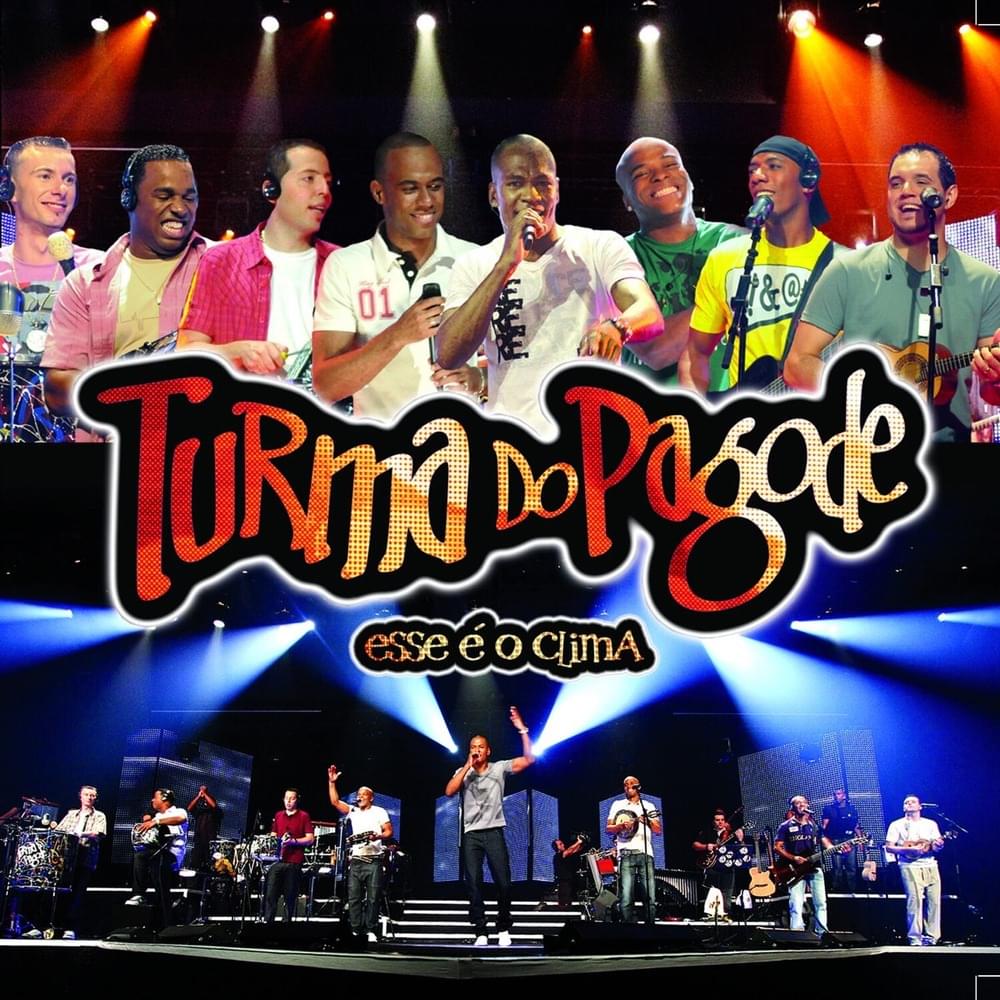
 View Artist