Song Meaning
The lyrics paint a picture of someone on the precipice of a major life change, urging themselves to move forward quickly. There's a palpable sense of urgency, a desire to escape a stagnant present where time felt more immediate than human connection. The narrator seems to be grappling with a loss of self, a feeling that a new version of them is emerging while the old one fades, leaving them disoriented and staring into an existential void. This internal conflict is amplified by a fear of stillness and the weight of impending choices.
The central tension lies in the contrast between the desire for escape and the paralyzing fear of the unknown. The repeated phrase "I panic at the quiet times" highlights a deep-seated anxiety that surfaces when external distractions cease, forcing confrontation with "decisions at the door." This suggests a struggle with agency, where fate seems to dictate outcomes, leaving the narrator feeling overwhelmed by the possibilities or lack thereof. The "door" itself becomes a potent symbol of transition, a threshold that is both feared and necessary.
The most striking craft element is the juxtaposition of external sensory details with internal emotional states. The narrator observes the "sun comes from behind, it hurts my eyes" and the "boiling sea meet the open sky," vivid images that suggest a world full of life and motion. Yet, despite these powerful external stimuli, the internal reality remains one of profound coldness: "my soul still feels like it's ice." This stark contrast underscores the depth of the narrator's emotional detachment and their struggle to find warmth or connection.
Ultimately, these lyrics resonate because they capture the universal dread of confronting life's pivotal moments. The writing effectively uses stark imagery and a driving, anxious rhythm to convey the feeling of being trapped between a past that's slipping away and a future that's terrifyingly uncertain. The narrator's plea to "find some tenderness / Before I get too old" is a raw expression of vulnerability, making their internal struggle feel both deeply personal and eerily familiar.
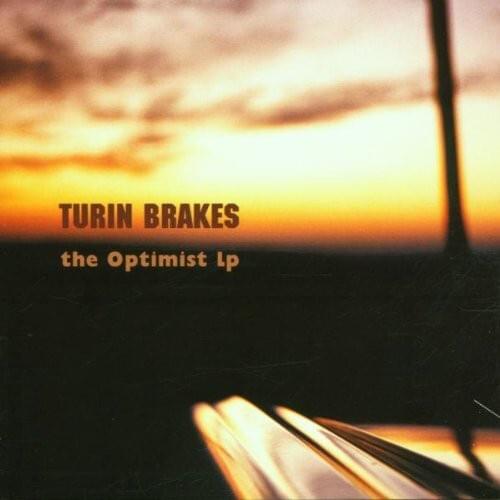
 View Artist