Song Meaning
The lyrics present a stark contrast between forced positivity and a deep-seated despair. Initially, the narrator attempts to adopt a cheerful, self-help mantra: "Breathe in good, breathe out bad." This is immediately followed by instructions to "Pull a smile onto your face" and a platitude that "making friends is easy." The repetition of "it's easy" feels less like genuine reassurance and more like a desperate attempt to convince oneself, highlighting the artificiality of the prescribed happiness.
The core tension emerges as this superficial optimism crumbles under the weight of existential dread. The repeated phrase "The end, the end, the end, the end, the end" becomes an obsessive refrain, questioning the purpose and ultimate outcome of life. The narrator directly asks, "My friend, where's the end?" and the chilling line "You're up, you're down, you're in the ground in the end" strips away any pretense of lasting success or comfort, reducing all experience to a temporary state before inevitable demise.
The most striking element is the shift in perspective and the raw vulnerability revealed. While the first verse offers external advice, the second verse begins with "So tell myself it will be ok," indicating the narrator is now speaking directly to themselves, acknowledging the internal struggle. The imagery of being "deep down in the dirt" and the urgent need to "get myself to my feet" powerfully conveys a feeling of being buried by life's difficulties, a visceral counterpoint to the earlier, facile instructions.
Ultimately, these lyrics resonate because they capture the exhausting effort of maintaining a brave face while grappling with profound hopelessness. The writing effectively juxtaposes hollow self-help slogans with the crushing reality of mortality and struggle, making the narrator's internal battle feel palpable and deeply human. The repeated question "where's the end?" lingers, a testament to the unresolved anxiety at the heart of the piece.
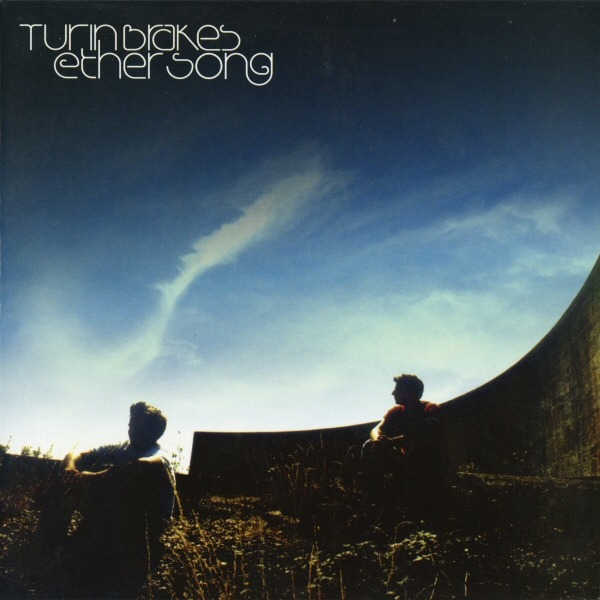
 View Artist