Song Meaning
The lyrics paint a picture of intense, almost overwhelming devotion, where the narrator's entire world seems to revolve around a specific person. The opening lines, "all my colours bleed for you" and "My hazy hills glow green for you," establish a vivid, sensory landscape that is entirely dedicated to this other individual. There's a palpable sense of vulnerability and a plea for connection, underscored by the repeated, almost plaintive, "You could just call me, you know?"
The central tension lies in the narrator's desperate need for contact versus the apparent silence or distance from the object of their affection. The imagery shifts from vibrant "colours" and "green" to decaying "dust" and "rust," suggesting that this unreciprocated feeling is taking a toll, leading to a sense of diminishment. Yet, even as things crumble, the narrator remains fixated, finding solace or perhaps a lifeline in the idea of this person, describing them as "pulling me out of this whirlpool" and "making me breathe again."
The repeated phrase "emergency 72" is the most striking and ambiguous element. It suggests a state of heightened urgency, a crisis that requires immediate attention, possibly a 72-hour hold or a critical period. The sheer repetition, especially in the extended outro, amplifies this feeling of being trapped in a loop of anxiety and longing. The narrator can't forget "72," implying it's a significant marker of this emotional emergency, a time or situation that defines their current state of desperate waiting.
Ultimately, the effectiveness of these lyrics stems from their raw emotional expression and the evocative, if cryptic, imagery. The contrast between the vibrant, almost surreal, descriptions of devotion and the stark reality of "dust" and "rust" creates a compelling portrait of someone consumed by unfulfilled desire. The unresolved "emergency 72" leaves the listener with a lingering sense of unease and a deep empathy for the narrator's precarious emotional state.
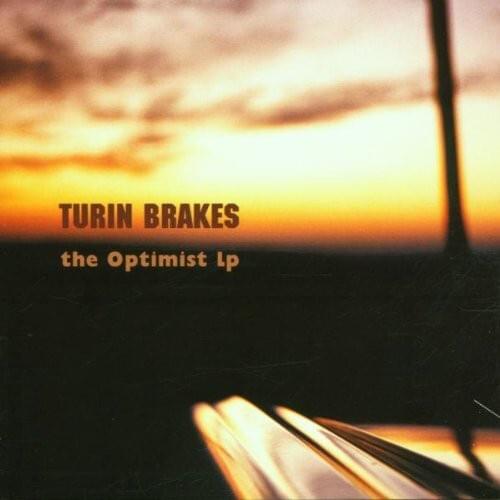
 View Artist