Song Meaning
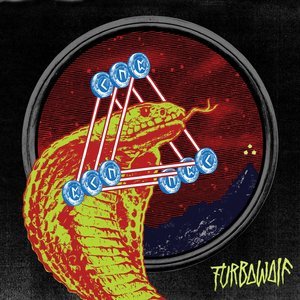
The lyrics open with a fragmented sense of identity, asking "We are [?]" before launching into a plea: "believe, believe in me." This immediately establishes a tension between a collective uncertainty and a desperate need for individual validation. The imagery that follows is stark and unsettling, presenting a "body like a crow" and a "belly full of snake," which suggests a primal, perhaps dangerous, existence that is nevertheless "sets itself so free." This wildness is contrasted with the idea of a "lesson temporary, like the seven seas," implying that even profound experiences are fleeting.
The core conflict seems to revolve around a distorted sense of purpose and consumption. The narrator urges the listener to "mean to mate with hair" and "take a slice home for the family plate," bizarre directives that twist natural instincts into something almost cannibalistic or predatory. This is framed within a "killing in the name, the name of love," a phrase that echoes a famous protest song but here feels perverted, suggesting that destructive acts are being justified by affection or devotion. The repeated refrain, "You'd rather get this vision, go, we've seen enough," acts as a dismissal, a weary rejection of whatever distorted reality or demand is being presented.
The most striking aspect of the craft is the juxtaposition of visceral, almost grotesque imagery with abstract concepts and repeated, emphatic phrases. The repetition of "You'd rather get this vision, go, we've seen enough" hammers home a sense of exhaustion and disillusionment, creating a powerful sense of finality and refusal. The ambiguity of "mate with hair" and "family plate" forces the listener to confront the unsettling implications, making the call to "believe in me" feel all the more desperate against this backdrop of strange, unsettling pronouncements.
Ultimately, these lyrics hit hard because they tap into a feeling of being overwhelmed by bizarre, conflicting impulses and demands, particularly in the name of love or belonging. The narrator's plea for belief is drowned out by a world that seems to have collectively decided it's "seen enough" of whatever distorted reality is being offered. The unsettling imagery and the insistent, almost maddening repetition create a potent sense of unease and a stark refusal to engage further with a flawed vision.
 View Artist