Song Meaning
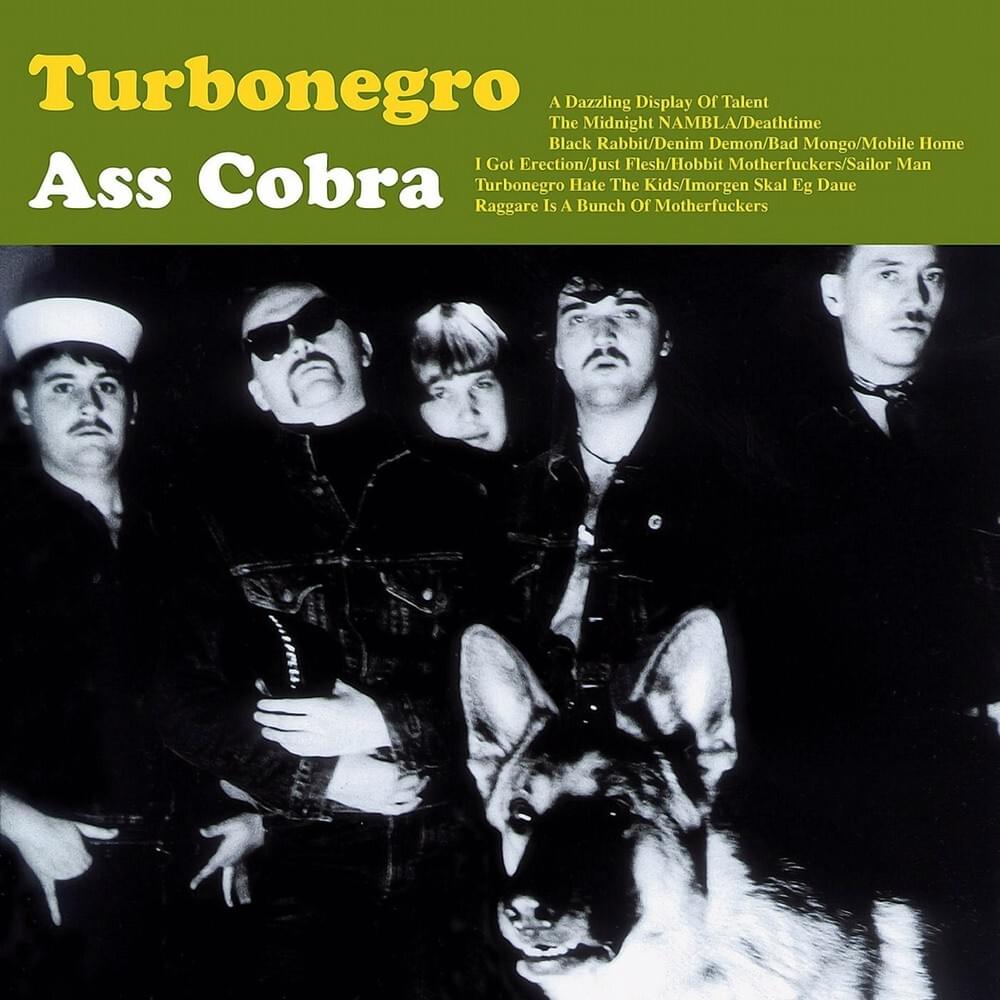
The narrator immediately establishes a persona of raw, uninhibited sexuality and a defiant, punk-rock attitude. They embrace labels like "horny hunk" and "lowdown punk," even referencing Turbonegro, a band known for their "deathpunk" aesthetic. This opening sets a tone of unapologetic self-definition, rejecting societal norms and embracing a wilder, more primal identity. The "black rabbit" imagery, introduced with "black habits," feels less like a cute creature and more like a dark, instinctual force.
The core tension arises from the narrator's self-proclaimed "black habits" versus their explicit denial of being a "spider." They contrast their own actions – "hop and jump" – with the implied predatory nature of a spider, particularly in the unsettling line about an "embryo is junk." This suggests a rejection of being perceived as a malicious manipulator or destroyer, even while acknowledging a potentially disruptive or even dangerous inherent nature. The repeated "jævla fucking spider" and "jævla faen" emphasize this strong aversion to that specific comparison.
The most striking craft element is the juxtaposition of the seemingly innocent "hop and jump" with the dark implication of reproductive failure. The "black rabbit" becomes a complex symbol: it hops and jumps, suggesting movement and perhaps a certain virility, but its "black habits" and the warning about "embryo is junk" hint at something more destructive or perhaps simply a different, less conventional form of existence. The explicit rejection of the spider, a creature often associated with weaving intricate traps and consuming its prey, highlights the narrator's desire to define their own brand of wildness, separate from outright villainy.
This lyrical construction is effective because it creates a provocative and slightly menacing character without fully condemning them. The narrator owns their "reputation" and "habits," but draws a line at being seen as a spider, a creature of calculated malice. The ambiguity of the "black rabbit" – simultaneously playful and potentially destructive – forces the listener to confront their own assumptions about instinct, reputation, and the nature of transgression.
 View Artist