Song Meaning
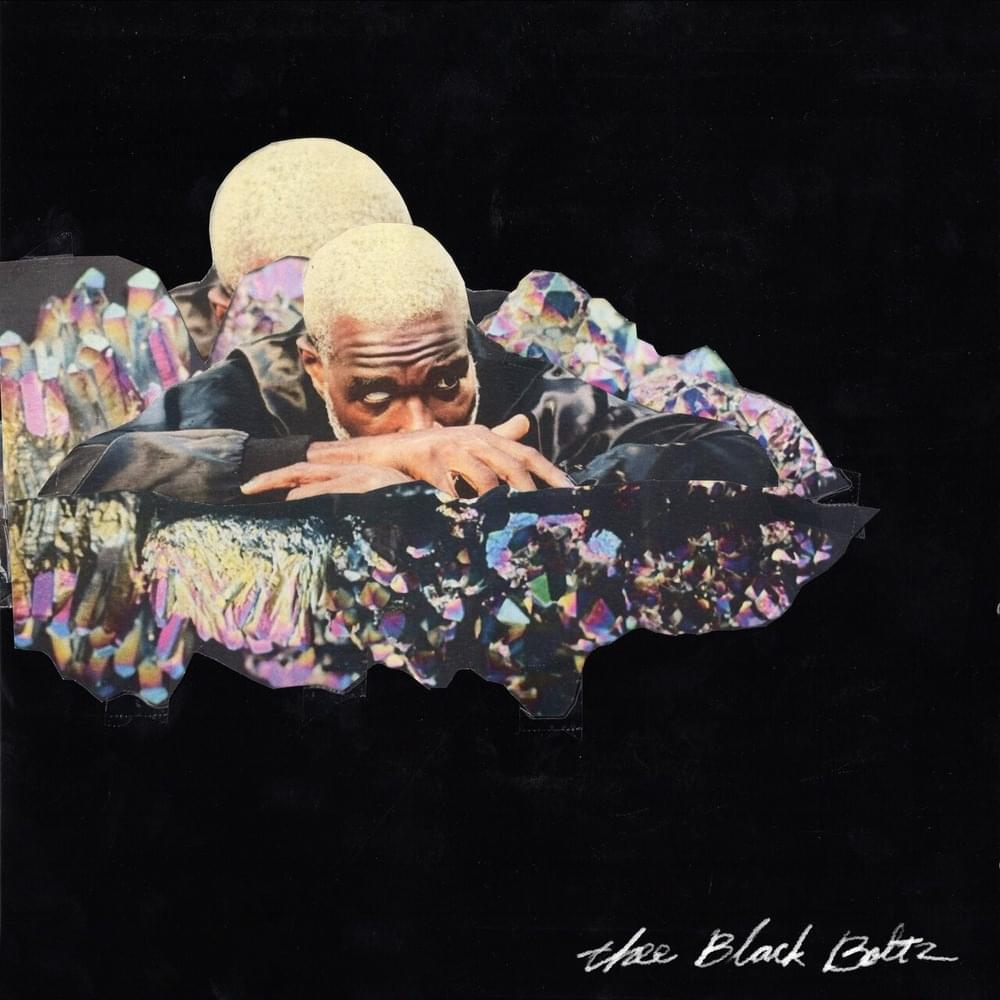
Tunde Adebimpe, known for his work with TV on the Radio, offers a brief, cyclical meditation in "Thee Black Boltz." It's less a narrative and more a concentrated dose of existential processing. The recurring phrase, "Just when things got darkest," establishes a baseline of struggle, a moment of crisis where clarity—or at least a path forward—becomes imperative. The "thought" that arrives acts as a guide, initiating a journey both physical and metaphorical. The Black Boltz themselves seem to represent a transformative force, learning that "change is all." This isn't a passive acceptance, but an active engagement with the fluidity of existence.
The lyrics trace a descent, both literally from the stars to the "hillside towns," and figuratively, into the complexities of human emotion: "settle our love and hate affairs." This suggests a grappling with internal contradictions, an attempt to reconcile opposing forces within the self. The image of walking "through the wood to the edge of the brook" evokes a sense of introspection and reflection, a retreat into nature to confront these emotional entanglements. The "happy-sad run" hints at the bittersweet nature of experience, the simultaneous presence of joy and sorrow.
Ultimately, "Thee Black Boltz" circles back to its origin, "looking at the stars," suggesting a continuous cycle of learning and adaptation. The final lines, "I did hear all / I heard a tune," imply a newfound understanding or harmony achieved through this process. The 'tune' could be the sound of the universe, or simply the rhythm of one's own life. Adebimpe distills a complex philosophy of acceptance and evolution into a compact, evocative piece, inviting listeners to embrace the ever-changing nature of reality.
 View Artist