Song Meaning
The lyrics paint a picture of a relationship teetering on the edge, marked by a profound sense of unease and a questioning of happiness itself. The opening lines, "Iešauj man tieši krūtīs / Vārdus, kas nepazudīs" (Shoot me straight in the chest / Words that won't disappear), immediately establish a raw vulnerability, a desire for brutal honesty even if it causes pain. This sets a tone of impending emotional impact, where the simple acknowledgment of "ka esi tu, ka esmu es / Un varbūt mēs" (that it's you, that it's me / And maybe us) carries immense weight, hinting at a fragile possibility of connection.
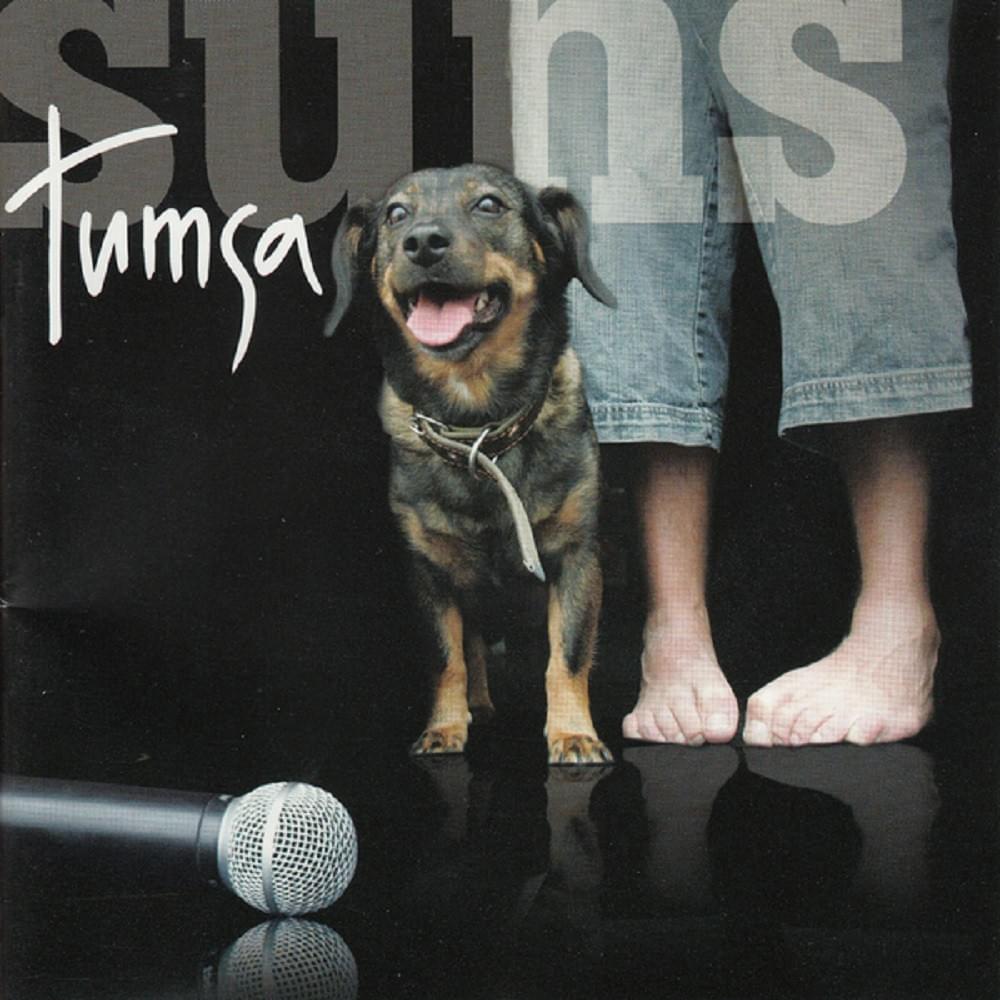
The central tension arises from the paradoxical nature of happiness, as articulated in the recurring question, "Un kāpēc ir tā / Ka laime tā sāp?" (And why is it that / Happiness hurts so much?). The lyrics suggest that this perceived happiness might be overpaid for, like a satiated dog that no longer desires anything from its owners. This imagery implies a state of being so full or so accustomed to comfort that it breeds a strange kind of pain or detachment, a feeling of being unable to truly engage with or benefit from what has been attained.
This feeling of disillusionment is further amplified by the narrator's internal conflict. They are caught between fearing what they've gained and dwelling on what's missing, leading to a pervasive sense of weariness: "Un atkal viss tik apnicis / Nu kam tas viss" (And again everything is so tiresome / Well, what is it all for). The image of getting lost among beautiful roses, only to get pricked and bruised, perfectly encapsulates this, suggesting that even beauty and perceived good fortune can lead to unexpected pain and a desire to stop, to escape the cycle.
Ultimately, the effectiveness of these lyrics lies in their unflinching portrayal of emotional paradox. The song doesn't offer easy answers but instead captures the disquieting feeling that sometimes, the very things we strive for can leave us feeling empty or pained. The repeated, almost resigned questioning of happiness, coupled with the vivid, unsettling imagery of the overfed dog and the pricking roses, creates a resonant portrait of a relationship and a state of mind grappling with the bittersweet, often painful, reality of existence.
 View Artist