Song Meaning
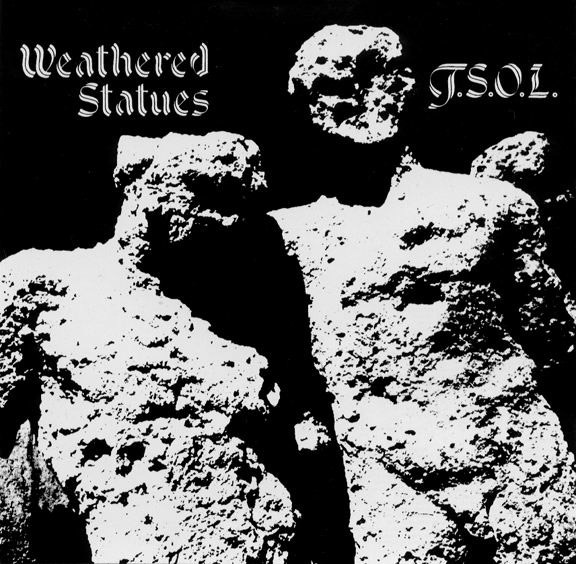
The lyrics paint a somber portrait of aging veterans, depicted as "weathered statues" and "tin soldiers" left to decay on park benches. They are figures of past heroism, now wrapped in "yellowed newsprint," their former glories faded and their present lives marked by "sadness" and "sorrow." This imagery immediately establishes a tone of neglect and forgotten sacrifice, highlighting the stark contrast between their wartime valor and their current state of forlorn existence.
The central tension lies in the profound disconnect between the soldiers' past contributions and their present reality. These are "lonely men who are tortured," whose "gnarled hands hold canes, where the guns were once before." They are taunted by the very children whose parents they once saved, a bitter irony underscoring their abandonment by society and the state for which they "gave" a limb. The lyrics suggest a deep-seated disillusionment, where "honor flew away from him, like pigeons on the wind," leaving them to spend their last resources on "cheap wine and sins."
A striking element of the craft is the persistent metaphor of the statue, which evolves to represent not just the physical aging and immobility of the veterans, but also their symbolic petrification into relics of a bygone era. The repetition of "statues" and "soldiers" reinforces this idea, while the image of them "march[ing] on and on" despite their decay creates a haunting, almost Sisyphean, sense of duty or perhaps an unending, unacknowledged struggle. The contrast between the "silver gleam" of past medals and the "sweat gleam" of present hardship further emphasizes their diminished circumstances.
Ultimately, these lyrics resonate because they articulate a painful truth about how societies often relegate their heroes to obscurity once their service is no longer immediately needed. The writing effectively uses stark imagery and poignant contrasts to evoke empathy for these forgotten figures, making the reader confront the quiet tragedy of lives lived in service, only to be left as "weathered statues" in the "dark." The final lines, "Weathered Statues still march on and on," leave a lingering impression of their enduring, though perhaps hollow, spirit.
 View Artist