Song Meaning
The lyrics paint a stark picture of a "living hell," where the narrator finds themselves or someone close to them incarcerated. The core tension revolves around the perceived injustice of the situation, questioning whether the actions truly constituted a crime worthy of jail time. This doubt is immediately contrasted with the unyielding pronouncements of the law, which dictates both imprisonment and bail.
The central conflict emerges from the arbitrary nature of the legal system as depicted here. The narrator suggests the deputy's personal bad night, a fight with his wife, directly influences his harsh treatment of the incarcerated individual. This implies that "the law" isn't an objective force, but rather a system susceptible to the moods and biases of those who enforce it, leading to a deeply unfair outcome.
The repetition of "It's the law" acts as a relentless, almost mocking refrain, underscoring the powerlessness of the accused. The phrase "Don't bother to try and fight" further emphasizes this futility, suggesting that any resistance is pointless against a system that seems predetermined. The brief mention of "only a few more nights" offers a sliver of hope, but it’s overshadowed by the overwhelming sense of being trapped by circumstances beyond one's control.
This lyrical construction effectively conveys a profound sense of frustration and helplessness. The contrast between the subjective experience of injustice and the objective pronouncements of the law creates a palpable emotional weight. The lyrics resonate because they tap into a common fear: that the systems meant to protect us can sometimes be wielded with personal spite, turning a bad day for one person into a "living hell" for another.
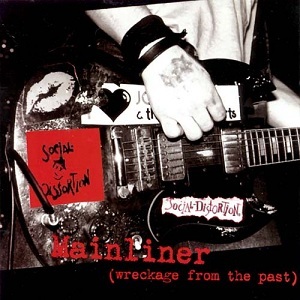
 View Artist