Song Meaning
This song paints a picture of embracing life's constant flow, finding joy not in accumulation, but in letting go. The opening lines suggest an effortless happiness, where reasons for smiling are readily available and the past holds cherished moments. It’s a feeling of being present, with anticipation for what’s next, captured by the repeated phrase "還有然後還有" (and there’s more).
The central tension lies in the human tendency to chase novelty versus the wisdom of selective forgetting. The lyrics acknowledge this duality: "誰都想貪新忘舊" (everyone wants to be greedy for the new and forget the old), yet the most profound happiness comes from knowing "懂得遺漏" (knowing how to omit or let go). This isn't about reckless abandon, but a conscious choice to release what doesn't serve, allowing for a lighter path forward.
The most striking craft element is the contrast between external experience and internal feeling. While the world offers endless "挑逗" (temptations) and the journey is one of constant movement "一邊看一邊走" (looking as you go), the ultimate destination is internal. The powerful image "醜陋留給塵埃 美麗在心頭" (ugliness left to the dust, beauty in the heart) signifies a profound act of self-curation, choosing to internalize only the positive.
This lyrical approach resonates because it reframes the pursuit of happiness. Instead of a frantic chase, it offers a more mindful approach: acknowledge the world's allure, but cultivate inner peace by consciously choosing where to focus one's emotional energy. The "海市蜃樓" (mirage) in the "花花世界" (flower-filled world) suggests that the true, lasting beauty isn't out there, but a cultivated internal landscape.
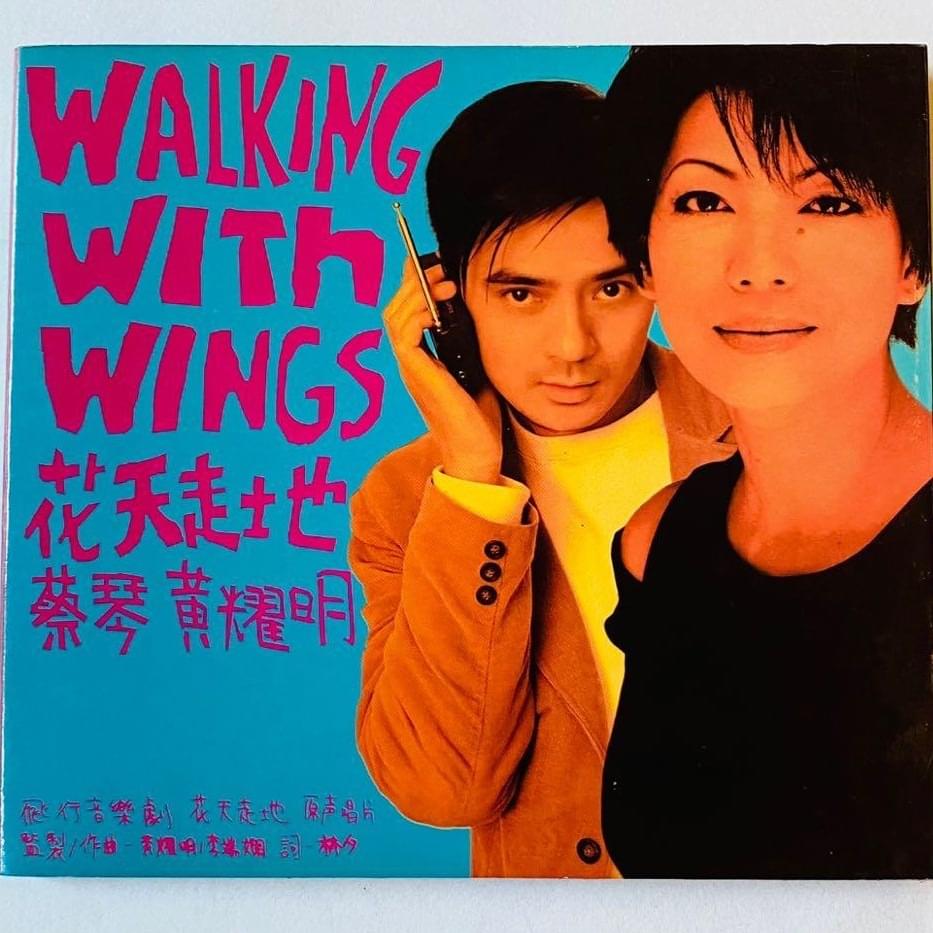
 View Artist