Song Meaning
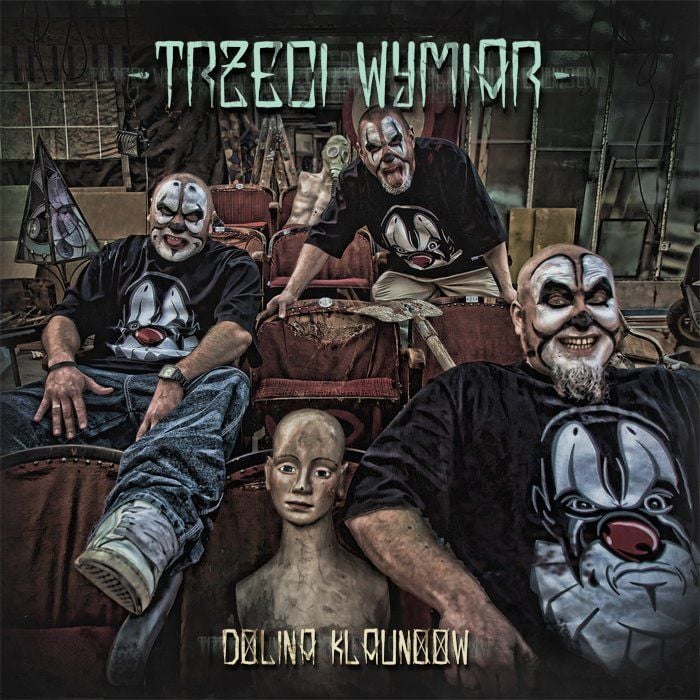
The narrator reflects on a childhood "circus" that has vanished, lost behind a "fog." This isn't just a nostalgic look back; it's a definitive statement that this specific experience, this "circus," is gone and, the narrator believes, will never return. The imagery of a "fog" suggests a hazy, perhaps idealized or simply inaccessible, memory.
The core of the feeling here is a profound sense of finality and irretrievable loss. The repetition of "tego cyrku już nie ma" (that circus is no more) hammers home the permanence of this absence. It's not a temporary state but a closed chapter, leaving a void that the narrator perceives as unfillable.
The power of these lines lies in their stark simplicity and the weight of the pronouncement. The phrase "za mgłą" (behind the fog) is particularly effective, creating a visual of something once present but now obscured and out of reach. The certainty in "nie będzie" (will not be) amplifies the melancholy.
This concise expression of irreversible change and the passing of a unique, formative experience resonates because it taps into a universal human understanding of time's relentless march. The narrator's declaration feels like an acceptance of a fundamental truth about memory and the past: some things, once gone, are truly gone forever.
 View Artist