Song Meaning
The lyrics paint a stark picture of stasis and isolation, suggesting a shared, yet unacknowledged, predicament. The opening lines establish a sense of frozen time and collective disorientation: "Det er som tida har stått stille" and "Ingen som veit hvor vi er." This isn't just a physical location; it's an existential standstill where no one dares to look out or understand their purpose. The dominant emotional tone is one of quiet desperation and inertia.
The central tension lies in the repeated, almost mantra-like phrase, "Vi går i bane rundt oss sjøl" (We orbit around ourselves). This image powerfully conveys a feeling of being trapped in a self-contained loop, unable to break free or connect meaningfully. The lines "Like nærme / Like langt unna som før" (Just as close / Just as far away as before) underscore the futility of this circular motion; proximity doesn't lead to progress or resolution. It’s a state of perpetual, unproductive closeness.
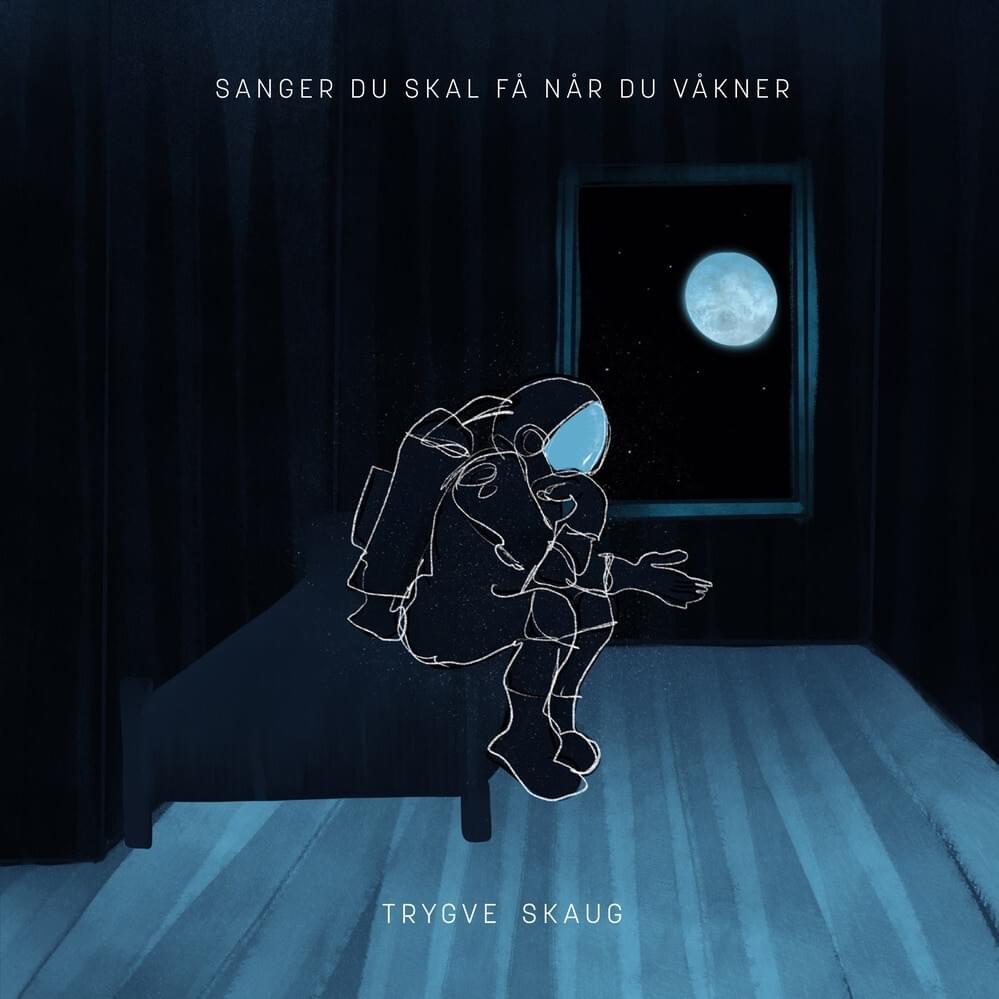
The most striking craft element is the extended metaphor of astronauts and space exploration, juxtaposed with mundane domesticity. The narrator describes "To speidere på månen" (Two scouts on the moon) who "ingen av oss snakker samme språk" (none of us speak the same language), highlighting profound communication breakdown. Later, they are "Astronauter som aldri kommer hjem" (Astronauts who never come home), emphasizing the permanence of their trapped state. This cosmic isolation is then contrasted with the personal experience of "står i stua di og lengter ut" (standing in your living room and longing to go out), a relatable image of domestic confinement.
Ultimately, these lyrics resonate because they articulate a universal feeling of being stuck, both individually and collectively, without a clear path forward or backward. The imagery of orbiting ourselves, never truly connecting despite proximity, and being lost in space captures a profound sense of existential drift. The faint hope glimpsed in the "tynn, tynn stripe" (thin, thin stripe) offers a fragile possibility, but the immediate return to the orbiting refrain reinforces the overwhelming sense of being perpetually adrift, a shared condition that feels both deeply personal and eerily vast.
 View Artist