Song Meaning
The lyrics paint a stark picture of a personal crisis, immediately establishing a desperate plea: "Sauvez-moi de l'enfer" and "Save me from myself." The dominant tone is one of urgent self-destruction and a cry for external intervention. The narrator seems to be battling internal demons, seeking rescue not just from a metaphorical hell, but from their own destructive tendencies.
The central tension lies in the narrator's experience within a hospital setting, which paradoxically becomes a site of profound internal struggle. The phrase "checked in, I checked out" suggests a cycle of seeking help and then rejecting it, or perhaps a disorienting blur of consciousness. This internal conflict is amplified by the vivid, almost hallucinatory imagery that follows, blurring the lines between a physical place and a psychological landscape.
The most striking craft element is the juxtaposition of the clinical setting with intensely spiritual or infernal imagery. The "glass doors" of Morristown Memorial Hospital lead not to healing, but to a vision of "flames" and a "maze." This contrast between the expected sanctuary of a hospital and the narrator's perception of hellish entrapment is powerfully unsettling. The line "I embraced evil at my side" is particularly chilling, suggesting a conscious surrender to destructive impulses rather than a passive victimhood.
These lyrics resonate because they capture the terrifying feeling of being consumed by one's own mind, where even places of supposed safety become arenas for internal warfare. The raw, unadorned plea for salvation, coupled with the disturbing personal revelations, creates a potent sense of vulnerability and dread. The writing effectively conveys a mind on the brink, trapped in a cycle it can't seem to break.
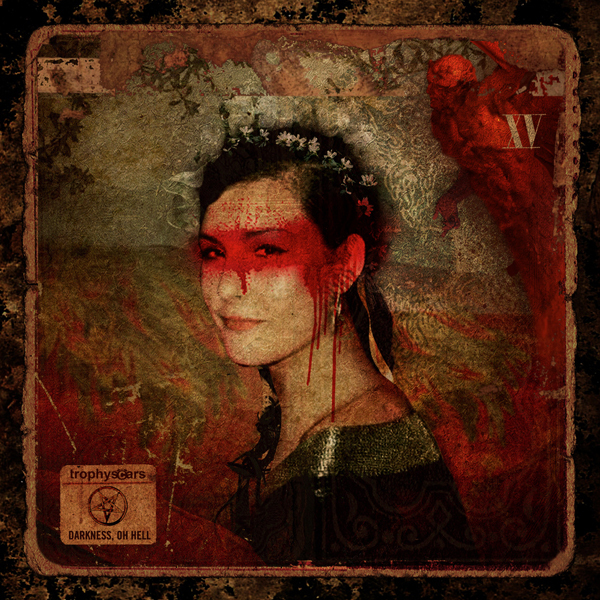
 View Artist