Song Meaning
The lyrics paint a stark, almost apocalyptic scene, opening with the recurring, ominous phrase "Those Are the Dead stars." This immediately sets a tone of cosmic decay and finality. The narrator seems to be recounting a past interaction where someone was overwhelmed by their words, "drown in my words / Pushed by the ink of my pen," suggesting a destructive power in their expression. The imagery shifts to a figure trapped high in a tree, an act of defiance or despair that requires forceful intervention: "you need to cut him down." This act, and the subsequent wilting of "flowers," implies a consequence or a curse tied to this individual's fate.
The core tension appears to be a cycle of self-inflicted damage and denial. The narrator describes a process of "bludgeon[ing] the cut / To open the scab" and "burn[ing] off our roots," actions that are painful and sever connections to origins, yet are followed by a deliberate attempt to "pretend that we're sad" and "repeat Until we believe / That this is the life that we lead." This suggests a conscious effort to construct a false reality, a life of performative sorrow and acceptance of a bleak existence, perhaps as a coping mechanism or a form of societal conditioning.
A striking piece of craft is the juxtaposition of violent, almost ritualistic imagery with a sense of passive documentation. The "electric ink on a feather / Cleaned by the salt of the sea" is a potent, if abstract, image of creation that is then passed on "to the insects / So they can document me." This implies a desire for a record of existence, even if that record is left to the most humble of creatures, after a life seemingly spent in decay and self-destruction. The "razors listen" and grinding teeth further emphasize a pervasive, internalized violence and a grim resignation to fate, digging plots "Ten feet deep / That way / No one has any reason to complain."
Ultimately, the effectiveness of these lyrics lies in their unflinching portrayal of a bleak, self-destructive narrative presented with a detached, almost clinical precision. The repetition of "Those Are the dead stars" acts as a constant reminder of the pervasive gloom, while the specific, often violent, actions described – climbing trees, cutting branches, opening scabs, digging graves – create a visceral sense of entrapment and inevitable doom. The narrator's call to "John, get the gun / If this is the road / We'll have us some fun" twists the grimness into a dark, almost nihilistic embrace of the end, making the finality of "These are the dead stars that march by your eyes" feel earned and chillingly chilling.
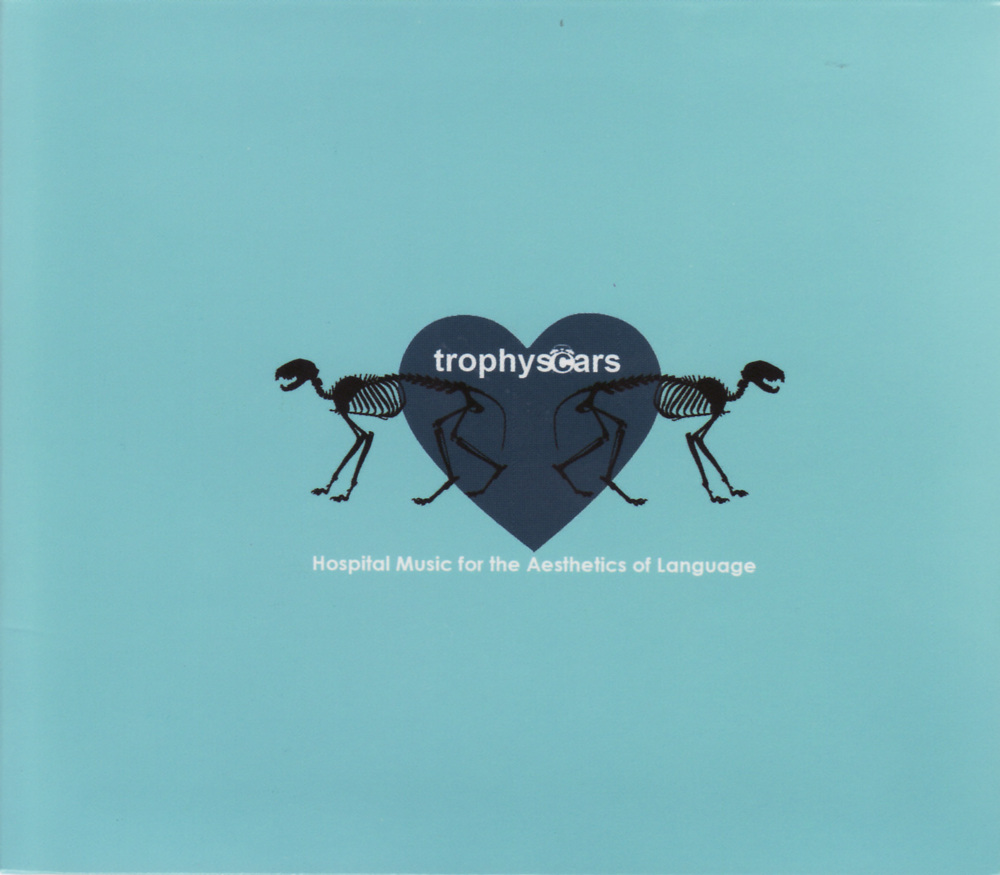
 View Artist