Song Meaning
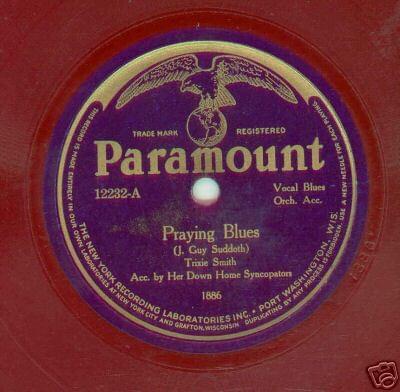
The narrator opens with a stark declaration of unseen hardship, a familiar blues trope that immediately establishes a deep well of personal suffering. The repetition of "Folks, you don't know half the trouble I see" emphasizes a profound isolation, suggesting a life burdened by experiences too heavy to share or comprehend. This isn't just everyday sadness; it's a profound, almost cosmic loneliness where only "the good Lord and me" truly grasp the depth of the pain.
The central plea is for companionship and relief from overwhelming sorrow. The narrator directly addresses the Lord, begging for a "man that wants nobody else but me," a specific desire born from a fear of abandonment. This isn't a casual request; it's a desperate prayer born from "down on my knees" and a heart that "isn't strong." The blues are personified as a tangible force, something to be "driv[en] away," highlighting the debilitating nature of her current state.
The lyrics paint a bleak picture of social and romantic desolation. The narrator laments her man has "quit me cold," a common blues theme, but then layers on the existential dread of aging and the absence of any support system. The final verse reveals a devastating lack of friends, with the only mentioned companions incarcerated, "in jail, the other one is in the pen." This stark detail amplifies the feeling of being utterly alone, with even her closest connections removed from her life.
This song's power lies in its raw, unvarnished depiction of despair and its simple, direct appeals for help. The narrator doesn't offer complex metaphors or intricate wordplay; instead, she lays bare her pain with a gut-wrenching honesty. The repeated "Lord, Lord" and "Lordy, Lord" aren't just exclamations but acts of faith and desperation, a lifeline cast into an ocean of trouble. The effectiveness comes from this unadorned vulnerability, making her plea for a single, devoted companion and an end to her blues feel profoundly human and urgent.
 View Artist