Song Meaning
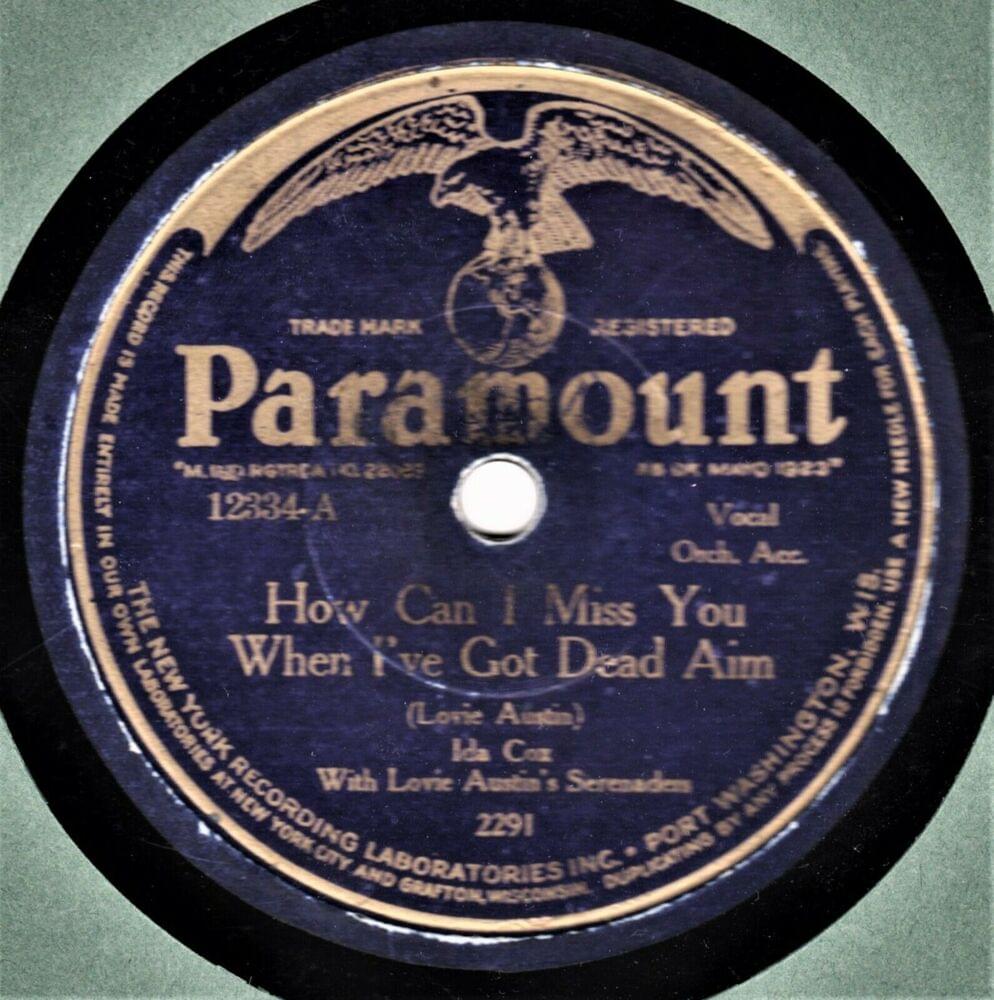
This track lays out a philosophy of sharp, unapologetic self-interest, particularly in relationships and revenge. The repeated question, "How can you miss it, honey, when you've got dead aim?" acts as a defiant assertion of control and certainty. It suggests that with clear intentions and a focused approach, failure is impossible, whether that means securing a new partner, enacting vengeance, or maintaining multiple romantic interests. The lyrics present a world where emotional vulnerability is a weakness to be exploited, and proactive, even aggressive, action is the only reliable path to satisfaction. The narrator isn't seeking connection; they're aiming for specific outcomes.
The core tension lies between a transactional view of relationships and a tit-for-tat approach to conflict. The advice is practical, almost brutal: "Don't let your man know he can make you blue / For if you do, he'll make a fool out of you." This isn't about heartbreak; it's about strategic self-preservation. Similarly, the response to betrayal is not sorrow but calculated retaliation: "Find the gal that bit you for him, and bite her back." The recurring refrain reinforces this mindset, framing every action as a precise shot with guaranteed results, leaving no room for chance or sentiment.
The most striking element is the escalating series of analogies for this unwavering focus. It moves from romantic strategy ("Where one man won't, another one will") to direct retribution ("If you kill my dog, I'm gonna kill you cat"), and then to a complex web of romantic entanglements ("I've got a man in Georgia, got a man in Tennessee"). Each scenario is framed as a sure thing, a target acquired with "dead aim." This consistent application of the same metaphor across diverse situations highlights a singular, unyielding drive to achieve desired ends without hesitation or regret, presenting a worldview where precision trumps all.
What makes these lyrics resonate is their blunt, almost swaggering confidence. The narrator isn't lamenting their situation or seeking sympathy; they're dictating terms and celebrating their own efficacy. The repeated, almost taunting, question about missing the mark when one has "dead aim" serves as a powerful affirmation of agency. It’s a declaration that in a world that can be cruel and unpredictable, the narrator has found a way to navigate it with absolute certainty, turning potential setbacks into guaranteed victories. This unapologetic stance, grounded in specific, often harsh, actions, creates a compelling portrait of someone who refuses to be a victim.
 View Artist