Song Meaning
The lyrics paint a portrait of a self-proclaimed "ghetto king" who defines his reign through independence and a particular approach to relationships. The repeated assertion, "I am a ghetto king," acts as a powerful declaration of identity and status, setting a defiant tone from the outset. This king isn't seeking external validation; instead, he emphasizes his autonomy and distinct path. The phrase "I don't admire what you do" serves as a constant refrain, highlighting a deliberate detachment from conventional expectations or the actions of others. It suggests a focus on his own world and values, separate from societal norms.
The central tension revolves around the narrator's assertion of control over his romantic life, contrasting with a potential desire for a specific kind of partnership. He states, "Never keep one woman," and later, "I don't keep just for you, girl," reinforcing his commitment to a non-monogamous lifestyle. Yet, this is immediately followed by "I'm seeking my girl weh queen," indicating a search for a specific partner who fits into his established life, rather than conforming to it. This creates an interesting push-and-pull between his proclaimed independence and his underlying search for a queen.
The most striking aspect of the craft is the juxtaposition of the regal "king" and "queen" imagery with the "ghetto" context. This isn't about traditional royalty but about establishing a domain and authority within a specific environment, likely one that doesn't afford conventional power. The repetition of "ghetto king" hammers home this self-made status. Furthermore, the phrase "Love is all I bring" stands out, offering a softer, more positive attribute amidst the declarations of independence and relationship style, suggesting that his approach to love, while unconventional, is presented as genuine and heartfelt.
Ultimately, the effectiveness of these lyrics lies in their unapologetic self-definition. The narrator crafts an identity that is both defiant and aspirational, carving out his own space and rules. The repeated declarations, coupled with the specific, albeit brief, glimpses into his relationship philosophy, create a compelling character study. It’s the confidence in his own unique path, even when it deviates from the norm, that gives the song its resonant power.
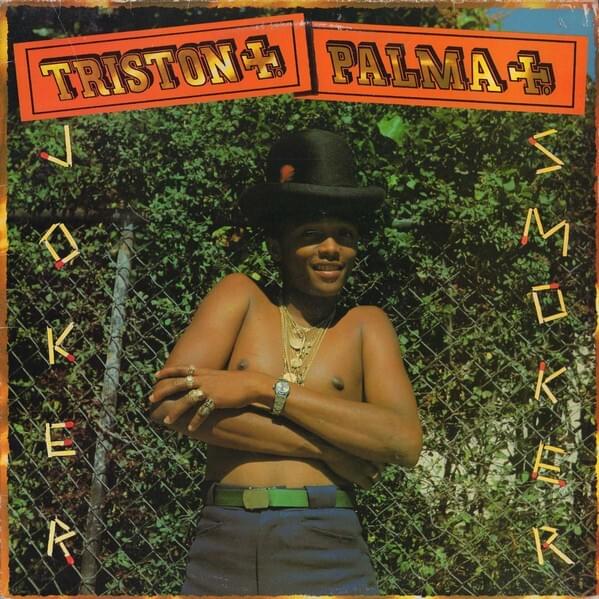
 View Artist