Song Meaning
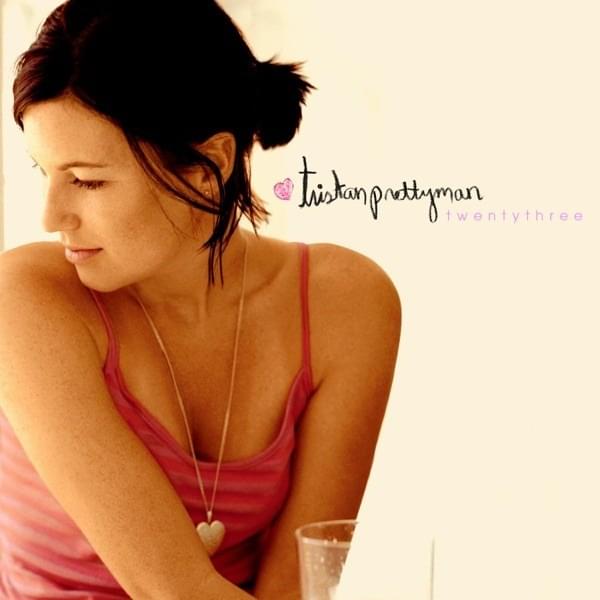
Tristan Prettyman's "Electric" hums with the voltage of an inescapable connection. The song isn't simply about attraction; it's a portrait of being inextricably linked to someone, even when that bond causes pain and confusion. The opening lines, "These tears stain the wood / Like cups and condensation," immediately establish a sense of lasting impact and unavoidable residue. The singer is "bound" to this person, trapped within a dynamic she can't break free from. He becomes the constant muse, "every subject / Of every song," suggesting an obsession that permeates her creative and emotional landscape. The shadows she can't outrun highlight the darker aspects of this entanglement, hinting at a history or a pattern that continues to haunt her. Despite the desire for closure, she acknowledges, "He's the ending of a story / That I'll never know."
The chorus, with its insistent repetition of "he's electric," acts as both a declaration and a warning. The word "electric" itself is multifaceted, representing both the thrilling spark of attraction and the potential for a painful shock. The lines "Sometimes he fills me up / And sometimes it's such a shock" encapsulate the push-pull dynamic of the relationship. The lyrics suggest a history between them: "You still look at me / With well acquainted eyes." This shared past triggers a flood of memories, both positive and overwhelming. The image of "a field of butterflies" is a bittersweet one, evoking both beauty and a sense of fleeting, fragile emotion.
Despite the recognition of the toxic elements, there's a flicker of hope, or at least a yearning for a different outcome. The bridge introduces the idea of change and the possibility of moving forward: "Well I know there's hope in there / But I wanna walk away." The line "He says it's bright in there / In lighter shades of grey" suggests a potential for growth and understanding, but also a sense of ambiguity and uncertainty. The final verses, with their repetition of "the seasons are changing," underscore the idea of transformation. Even as she acknowledges she's "burning up," she asserts her own agency: "So will I / I will fly." The song ends not with resolution, but with a declaration of self-preservation and a commitment to personal evolution, even within the electric field of this complex relationship.
 View Artist