Song Meaning
The lyrics paint a stark picture of a relationship riddled with dishonesty, where even a single day of truth or a moment of genuine eye contact feels like an impossible achievement. The narrator sets an incredibly low bar: 'If you can truthfully say / That you've been true just one day,' immediately establishing a baseline of profound distrust. This isn't about grand gestures; it's about the desperate hope for a sliver of sincerity in a landscape of deceit.
The central tension lies in the narrator's persistent, almost masochistic, devotion despite the clear evidence of betrayal. The repeated question, 'Why do I keep lovin' you / After all the things you do?' hangs heavy, highlighting a painful internal conflict. It suggests a deep-seated need for connection that overrides the logical response to constant falsehoods, creating a poignant emotional paradox.
The true power of these lyrics emerges in the relentless repetition of 'one in a row.' This phrase, initially presented as a conditional achievement, becomes an anthem of desperation. It transforms a potentially positive milestone into a symbol of how low the standards have sunk. The phrase itself, simple and almost childlike, underscores the profound sadness of needing such a minimal victory to feel any sense of progress or validation in the relationship.
Ultimately, the effectiveness of these lyrics stems from their raw, unflinching portrayal of a love that persists against all odds, even when the foundation is crumbling. The narrator's willingness to grasp at the thinnest threads of honesty, encapsulated by the simple yet devastating 'one in a row,' resonates because it speaks to the vulnerability and often irrational hope that can define even the most broken connections.
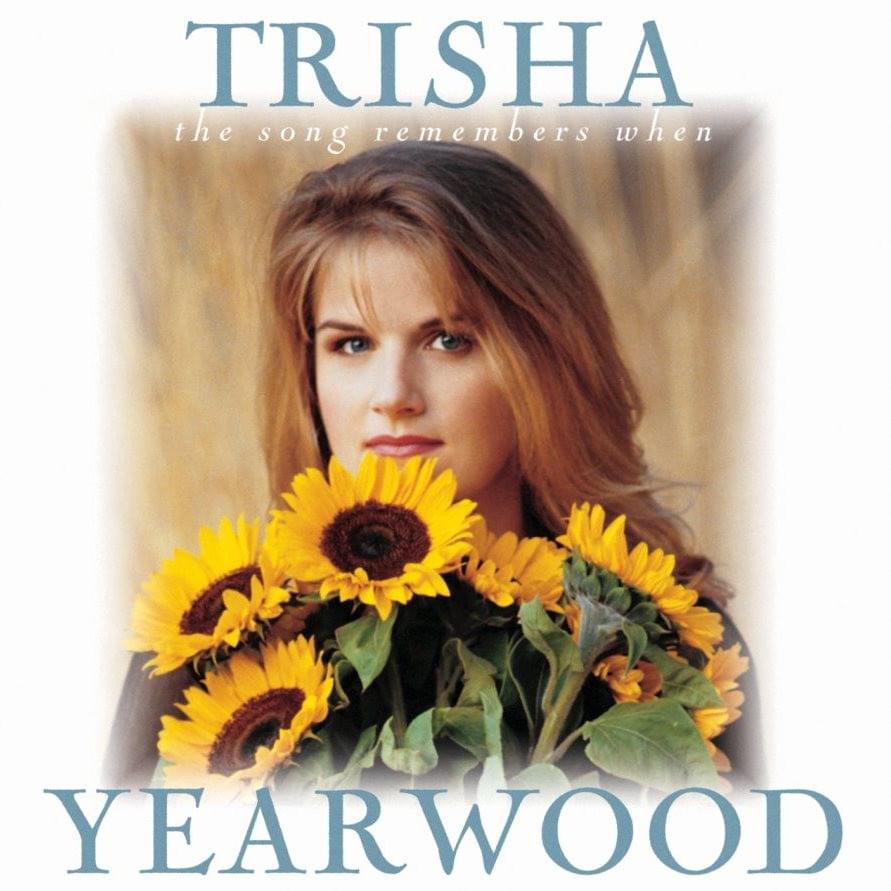
 View Artist