Song Meaning
The lyrics paint a picture of a determined, perhaps even reckless, pursuit toward a singular, radiant goal – the sun. There's a sense of shared momentum, a "little drive to the sun," where the narrator urges a companion to "follow me." This journey is framed as one of strength and unwavering purpose, explicitly stating, "we will not ask why." The initial imagery of falling is immediately countered by the assurance that "you never will fall down," suggesting a resilience or inevitability to this ascent.
The central tension arises from the contrast between the narrator's forward momentum and the companion's hesitation. The companion is described as "leaving," sliding into an "uncomfortable" form and trying to "avoid" the path, even though "you know how it goes." This suggests a conflict between embracing the unknown, potentially dangerous, but exhilarating drive and a desire for safety or a reluctance to fully commit to the shared destination.
The repeated question, "Can a man mark it?" introduces a philosophical layer, questioning human agency and the ability to define or control one's destiny, particularly in the face of overwhelming forces like the "wheel in the sky." The narrator's insistent "Of course he can" provides a defiant answer, asserting the power of will, especially the "will to survive," against the vastness of the universe and the uncertainty of the path.
This lyrical construction is effective because it juxtaposes the grand, almost cosmic ambition of the "drive to the sun" with the intimate, personal struggle of the companion and the existential questioning of human capability. The simple, declarative statements about strength and the refusal to question the "why" create a powerful sense of conviction, while the recurring questions about marking one's path resonate with a universal human desire for meaning and control.
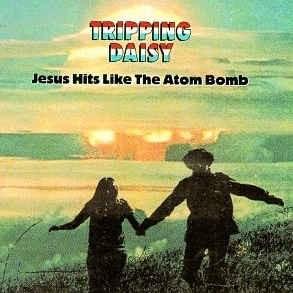
 View Artist