Song Meaning
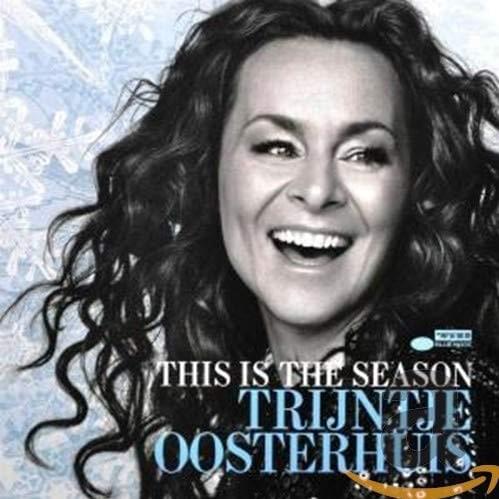
Trijntje Oosterhuis's rendition of "Grown-Up Christmas List" isn't just a holiday carol; it's a poignant reflection on lost innocence and the enduring power of hope in a world riddled with conflict. The song opens with a direct address to Santa, a symbol of childhood faith, but the narrator's tone is far from childish. Instead, she acknowledges the passage of time ("Well, I'm all grown-up now"), suggesting a bittersweet awareness of reality's harsh edges. Yet, the crucial line, "my heart still can dream," underscores a refusal to succumb entirely to cynicism. It speaks to the human need to maintain idealism, even when faced with disillusionment. The "grown-up Christmas list" itself is telling. It's not a list of personal desires, but a plea for global healing: "No more lives torn apart, that wars would never start." This shift from personal wants to universal needs marks a significant stage in emotional maturity, a recognition of shared humanity and collective responsibility.
The core of the song hinges on the tension between naivete and wisdom. The lyrics directly question "this illusion called the innocence of youth," suggesting that perhaps this supposed innocence is not simply a lack of awareness, but a necessary state of mind for believing in a better world. The narrator seems to suggest that only through such "blind belief can we ever find the truth." This isn't a call for ignorance, but rather an argument for the power of positive vision. It acknowledges that true change requires not only understanding the problems but also maintaining the hope that solutions are possible. It is a powerful statement about how the dreams and hopes of childhood, while seemingly naive, can be a guiding force throughout life.
Ultimately, "Grown-Up Christmas List" is a yearning for a world where fundamental values prevail: peace, healing, justice, and unconditional love. Oosterhuis's delivery, with its blend of vulnerability and strength, enhances the song's emotional impact. The repetition of the phrase "This is my grown-up Christmas list" reinforces the sincerity and unwavering nature of the narrator's wish. It's a powerful reminder that even in adulthood, the spirit of Christmas—the desire for goodwill and a better future—can persist, driving us to strive for a more compassionate and just world. The song’s true meaning lies in its ability to connect with the listener's own longing for a world free from suffering, tapping into a deep-seated human desire for peace and harmony.
 View Artist