Song Meaning
The lyrics paint a tense, almost theatrical scene of confrontation, dripping with a volatile mix of aggression and psychological warfare. The opening lines immediately establish a power dynamic, with the narrator wielding a "chair and a whip" against "loose behavior," suggesting a forceful attempt to control or provoke. This isn't just a simple argument; it's a deliberate instigation, met with an equally sharp phản ứng, as the line "I gave you a fright and you gave it right back" highlights a mutual escalation of hostility. The narrator seems to relish this dynamic, positioning themselves as a formidable, perhaps even dangerous, figure.
The core tension lies in this cyclical, self-destructive conflict. The narrator observes, "A panicking man both drowns himself and his savior," a powerful image suggesting that the panic and fear generated by this confrontation are ultimately self-defeating, consuming both the aggressor and the one being attacked. This is further amplified by the imagery of the man "flanked by opinions, opinions and demands," trapped by external pressures and internal anxieties, where "who eats the fastest gets the most" points to a cutthroat environment where survival depends on ruthless self-interest. The repeated phrase "and there he stands" emphasizes this static, trapped state.
The narrator's persona, "ain't easy Eddie," is a declaration of unwavering resolve and predatory focus. The steady hand and true aim, coupled with the repeated "I've got my eyes on you," create an unnerving sense of being perpetually watched and targeted. This isn't just about winning an argument; it's about a calculated, almost professional, pursuit. The taunting "Come out come out / From behind your strap-on" and the dismissive "you're not ready for your close-up, yet" suggest the narrator sees through the other person's defenses, viewing them as inadequate and unprepared for the inevitable confrontation.
Ultimately, the effectiveness of these lyrics stems from their unflinching portrayal of a high-stakes, psychologically charged standoff. The narrator's confident, almost menacing, posture is juxtaposed with the implied vulnerability and panic of the target. The deliberate use of sharp, accusatory language and the steady, unwavering threat create a palpable sense of unease and anticipation, making the listener feel like a witness to an inevitable, perhaps destructive, climax.
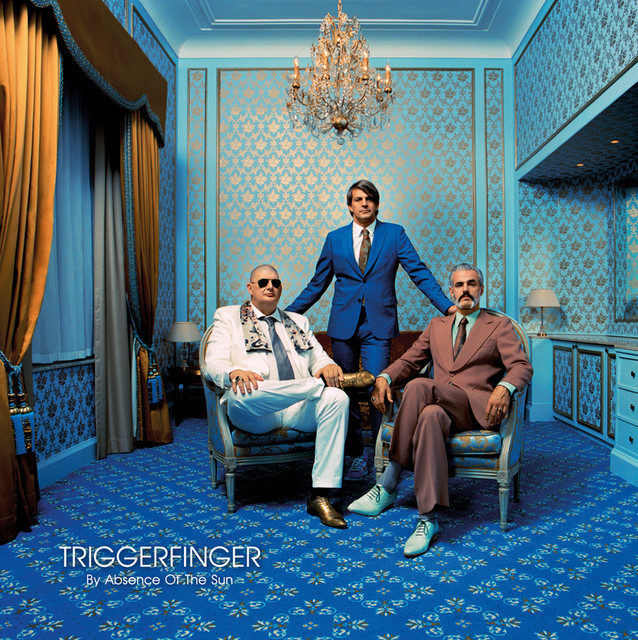
 View Artist