Song Meaning
The lyrics paint a stark picture of a world riddled with evil and injustice, a reality the narrator states is undeniable. Despite the overwhelming sense of absurdity that this might create, a powerful counter-narrative emerges: the unwavering belief that "Jah's justice will prevail." This central assertion acts as a bedrock of comfort and unwavering faith for the narrator, a constant in the face of worldly chaos. The repeated invocation of "Jah Jah Jah" isn't just a refrain; it’s a declaration of ultimate authority and a source of personal solace.
The core tension lies between the perceived futility and transience of worldly power and wealth versus the enduring spiritual truth. The narrator questions the value of material possessions and earthly dominion, labeling them "fleeting illusion" because they cannot provide "peace of spirit." This contrast highlights a fundamental spiritual perspective, suggesting that true fulfillment is found not in external achievements but in an internal state of grace.
The imagery of sitting "at the root of an old mango tree" grounds this spiritual conviction in a tangible, natural setting. It’s a scene of profound simplicity, where "a pure heart" and the humble act of singing with a "voice and guitar" become the essential elements for praising Jah. This deliberate choice of a serene, natural backdrop for spiritual devotion emphasizes that the most profound connections and praises require no material wealth or worldly status, only sincerity and a connection to nature.
Ultimately, the effectiveness of these lyrics stems from their directness and the palpable sense of peace they convey. By juxtaposing the harsh realities of the world with an unshakeable faith in a higher justice, the song offers a powerful message of hope. The simple, repetitive structure and the grounding natural imagery create an atmosphere of calm assurance, making the central message of Jah's control feel not just like a belief, but like a deeply felt truth.
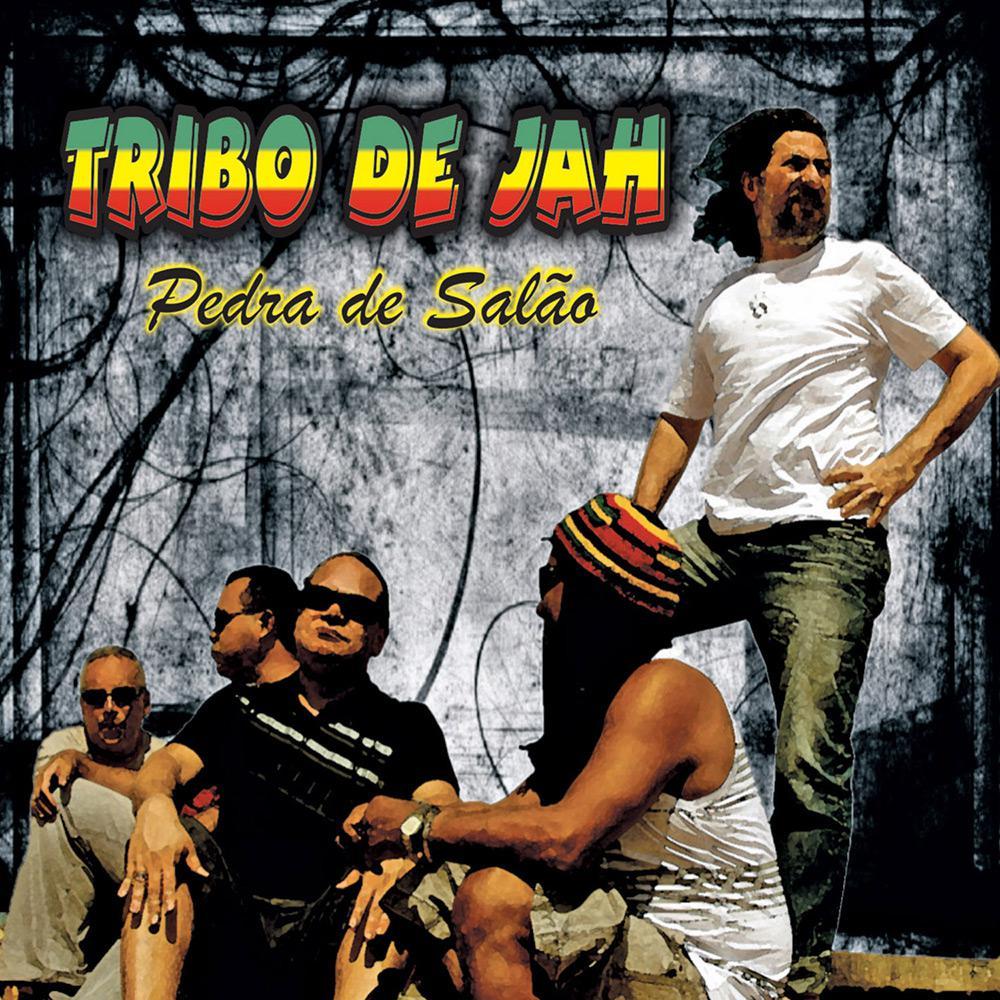
 View Artist