Song Meaning
The lyrics open with a vibrant, almost mantra-like repetition: "Todo es de color." This immediately sets a tone of visual richness and perhaps a heightened sense of perception. It’s a declaration that the world, at least as experienced by the narrator, is bursting with hues and life. The phrase itself feels like an embrace of sensory experience, suggesting a moment where everything is perceived with intense clarity and beauty.
The focus then shifts to a specific season, "Qué bonita es la primavera cuando llega." This arrival of spring is presented as a moment of particular loveliness, a time when the world’s colors truly come alive. The imagery is simple but evocative, painting a picture of nature’s renewal and the joy that accompanies it. The narrator is clearly captivated by this seasonal transformation, finding profound beauty in its unfolding.
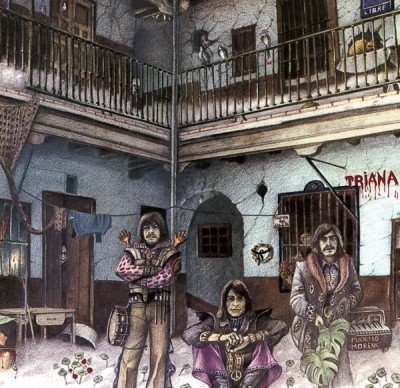
The most striking detail is the connection drawn between a "clavel que tiene en tu ventana" and the "barrio de Triana." This specific image of a carnation acts as a powerful trigger for memory, transporting the narrator to a distinct place. It suggests that even small, everyday sights can hold deep personal significance, capable of evoking strong feelings and associations with past experiences and locations. The carnation, a flower often associated with passion and Spanish culture, seems to carry the essence of Triana itself for the narrator.
Ultimately, the lyrics resonate because they capture a fleeting, yet potent, moment of sensory appreciation and nostalgic connection. The simple, direct language and the powerful repetition of "Todo es de color" create an atmosphere of pure, unadulterated joy. The poem grounds this feeling in concrete imagery, showing how a single flower can unlock a flood of memories and emotions, making the abstract idea of color intensely personal and deeply felt.
 View Artist