Song Meaning
The lyrics paint a picture of disillusionment and a feeling of being trapped by external forces. There's a strong sense of defiance against imposed limitations, questioning who dictates the rules that cause people to "cower." The narrator expresses a past desire for something more, a reaching out that ultimately led to "embracing nothing now," suggesting a profound disappointment or emptiness after a struggle.
The central tension lies in the conflict between personal aspiration and societal or systemic constraints. The "measures that we cower to" and what "they'll allow" point to an oppressive environment. This is amplified by the idea that "the scorn of most" acts as a "mighty chorus," making genuine grievances feel unheard or dismissed within a system that is "just as oppressive as our nemesis."
The recurring phrase "embracing nothing now" is a powerful anchor, highlighting the stark contrast between past hope and present desolation. The lyrics also employ a cyclical, almost fatalistic view with "what goes around" and "what comes around," but twists it to suggest these cycles might be imposed by "cowards" or lead to being "forced under." The final lines, "I always knew that it would come to this," lend a sense of grim inevitability to the narrator's current state.
This writing is effective because it captures a specific kind of weary resignation. The direct address and rhetorical questions create an intimate, almost confessional tone, while the stark imagery of "deathbed, in the womb" and the repeated "nemesis" emphasize the inescapable nature of the perceived struggle. The emotional impact comes from this raw portrayal of dashed hopes and the feeling of being stuck in a loop with no clear escape.
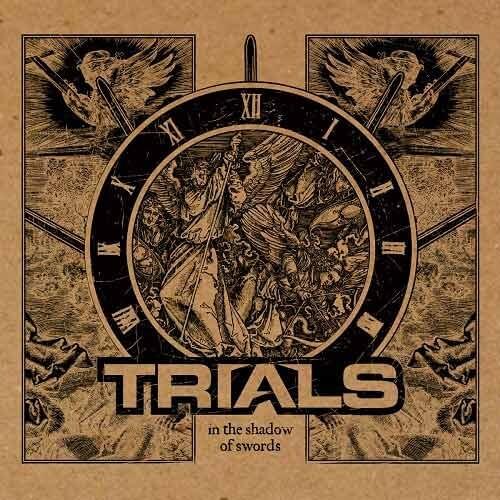
 View Artist