Song Meaning
The lyrics paint a stark picture of a relationship steeped in fear and emotional abuse. The opening lines immediately establish a tone of constant vigilance, with the narrator advised to "sleep with one eye open." This isn't about romantic disappointment; it's about survival. The repeated assertion that "he's not gonna love you in the morning" and "never gonna know the right thing to say" underscores a profound lack of genuine affection and emotional support, setting a bleak stage for the narrator's experience.
The central conflict emerges from the stark contrast between the external reality of this damaging relationship and an internal, insistent yearning. The narrator "hate[s] your life and all you've made it," feeling reduced to "dirt" by the other person's actions and words. Yet, simultaneously, a powerful "voice inside you" is "screaming out for more" and "I need more." This internal voice represents a primal urge for something better, a desperate plea for fulfillment that clashes directly with the suffocating circumstances.
The most striking aspect of the craft is the personification of this internal desire as a screaming voice. It's not a gentle whisper of hope but a desperate, almost violent, outcry. The repetition of "screaming out 'I need more'" in the chorus amplifies this urgency, making it the undeniable core of the song's emotional weight. The second verse introduces a sense of regret and disillusionment, as the narrator acknowledges that the current situation is "not the way that you had planned things" and "not as much fun as you thought you would have," further highlighting the chasm between expectation and harsh reality.
Ultimately, the power of these lyrics lies in their unflinching portrayal of emotional entrapment and the desperate, internal rebellion against it. The writing doesn't offer easy answers or a clear path forward, but it masterfully captures the raw, visceral feeling of being stuck in a hurtful situation while an inner self demands liberation. The contrast between the external oppression and the internal scream makes the narrator's plight feel immediate and deeply resonant.
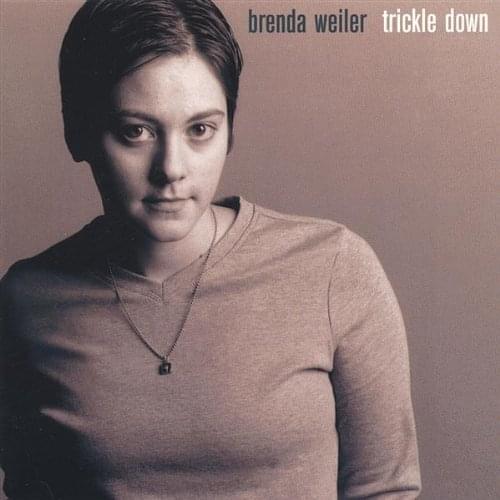
 View Artist