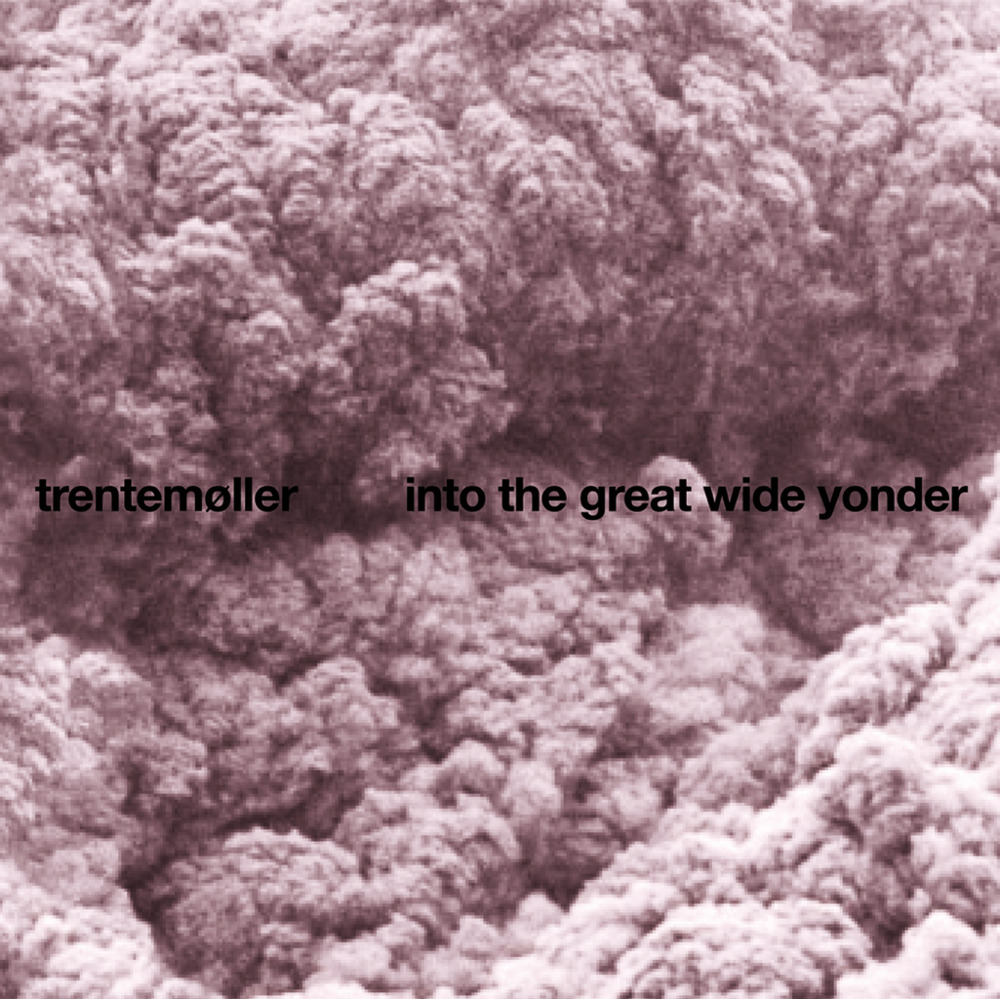
Song Meaning
The lyrics paint a surreal, dreamlike scene, opening with a descent into an unspecified "inside" that hardens the gaze. This sets a tone of disquiet, where even the arrival of stars feels less like wonder and more like the prelude to a "lusty kind of tale." The narrator urges someone to "take your tought train home," a phrase that suggests a departure from reality or a forced, perhaps nonsensical, journey through a world populated by "animals and slaves," a world that the "city blows them away." This initial imagery establishes a feeling of unease and detachment.
The central tension emerges with the arrival of "crooked rain," a bizarre phenomenon that "grew on trees in the back of brains." This rain is so potent that even the Devil would covet it, yet the narrator disavows any connection to its power, stating, "But that face was never mine." This suggests a struggle with a destructive or corrupting force that the narrator observes but refuses to embody, creating a conflict between external chaos and internal identity.
The most striking craft element is the recurring motif of "crooked rain" and the contrasting environments of "Neverglade" and the "basement." The "haze" of Neverglade, where "the haze never really made out here," implies a place of illusion or stagnation that the narrator chooses to leave. The narrator's decision to "chase the rain" while the other person stays "in the basement again" highlights a fundamental divergence in their responses to the surrounding strangeness. The basement represents a confined, perhaps fearful, existence, while chasing the rain signifies an active engagement with the surreal, even if it's a dangerous or bewildering one.
These lyrics resonate because they capture a feeling of dislocated reality and the personal choice to confront or escape it. The abstract imagery, like "crooked rain" growing in "brains," taps into a subconscious unease, while the narrator's assertion of identity against a corrupting influence provides a grounding emotional anchor. The contrast between the narrator's active pursuit and the other's passive confinement makes the choice to engage with the surreal, however strange, feel like a powerful act of self-definition.