Song Meaning
The lyrics paint a raw picture of profound loss, immediately establishing a sense of absence. The narrator can no longer see, smell, or hear their beloved, a stark contrast to the vibrant memory of meeting them on an April trip to Paris. This initial plea, "Amor regresa a mi…" sets a desperate tone, highlighting the depth of a love that felt as nurturing as watering a garden. The narrative quickly shifts to the devastating realization that this love was slipping away.
The central tension lies in the narrator's struggle to reconcile the intensity of their love with the finality of its end. They recall the beloved speaking of a terminal illness, "leucemia," and the narrator's desperate reassurance, "Le dije vivirás / Y junto a mi estarás…" This creates a heartbreaking irony, as the narrator's hope was ultimately unmet. The repeated phrase, "Nunca ame tanto, pero se me ha ido," underscores the overwhelming grief and the unbearable weight of this unfulfilled promise.
The recurring imagery of the "pedazo de luna" (piece of moon) is particularly striking. Addressing this celestial body, the narrator urges it to "Sueña" (dream) because "el tiempo no existe aquí" (time doesn't exist here). This suggests a desire to escape the present reality of loss, to find solace in a dreamscape where time is irrelevant and perhaps where the beloved still exists. It's a poignant plea for an eternal, timeless state, a stark contrast to the irreversible march of time that led to their separation.
Ultimately, the effectiveness of these lyrics stems from their direct emotional honesty and the stark juxtaposition of cherished memories with crushing finality. The narrator's raw expressions of longing and despair, coupled with the surreal imagery of dreaming in a timeless space, create a powerful and resonant portrait of grief. The simple, repeated refrains amplify the feeling of being trapped in sorrow, making the pain palpable.
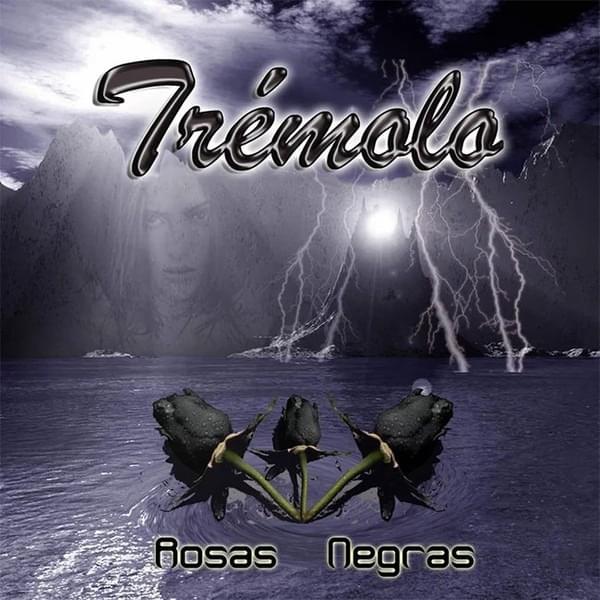
 View Artist