Song Meaning
The lyrics immediately declare a profound sense of liberation. The speaker repeatedly asserts a state of being "free," establishing an undeniable emotional core. This freedom isn't just external; it's a deep, internal shift, as the declaration that "the old has gone" signals a complete personal overhaul.
A central tension emerges from the paradox of surrender leading to liberation. The speaker states that it's no longer their own life, but a divine presence within them, suggesting a profound relinquishing of individual agency. Yet, this surrender is presented as the very source of being truly free, implying a truer self found through this spiritual indwelling. It's a powerful inversion: giving up control to gain ultimate freedom and purpose.
The lyrical craft leans heavily on repetition to build its powerful message. The constant affirmation of being "free" and the repeated emphasis on what the speaker can "Be" underscore a newfound purpose. This is sharply contrasted with a past self, as the lyrics highlight a definitive break from what was. The ultimate surrender, "I am no longer my own," acts as a final, resonant echo of this transformation.
These lyrics are effective because they articulate a radical personal transformation with unwavering conviction. The direct, almost chant-like repetition creates an immersive, affirming experience for the listener. By grounding this freedom in a specific, sacrificial act, the lyrics provide a clear, powerful narrative for the speaker's liberation, making the emotional impact feel earned and deeply felt.
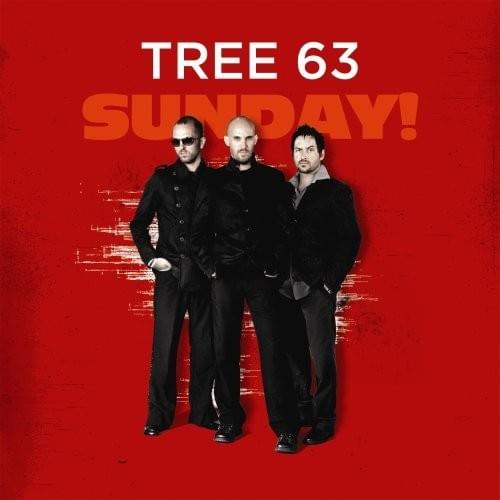
 View Artist