Song Meaning
The lyrics paint a picture of a strained, perhaps one-sided, relationship where one person is actively disengaging while the other attempts to maintain a facade. The opening lines, "The tone you take, I turned off the ring," immediately establish a sense of detachment and a refusal to engage with the other's communication style. The narrator seems to be setting boundaries, preferring to "fill it in" rather than directly confront or participate in whatever is being offered.
The central tension lies in the narrator's internal conflict between acknowledging a mistake and a desire to maintain a pretense. Phrases like "It's my mistake" are juxtaposed with "I'd like to stay and pretend," suggesting a reluctance to fully own up to their role in the relationship's issues. The repeated assertion "It's what you chose in the end" feels like an attempt to deflect responsibility, even while admitting personal fault.
The recurring image of "Ever she flows, like a veil undeciphered" is particularly striking. This metaphor suggests something beautiful, mysterious, and perhaps elusive, but also something the narrator claims to understand uniquely: "It's me who knows." This creates an interesting dynamic where the narrator positions themselves as the sole interpreter of this flowing, veiled entity, possibly representing the other person or the relationship itself, while simultaneously admitting their own errors.
This lyrical construction is effective because it captures a specific kind of passive-aggressive communication and internal rationalization. The contrast between admitting fault and then immediately trying to reframe the situation as the other person's choice, coupled with the enigmatic "veil undeciphered," creates a complex emotional landscape. The repetition of "It's what you chose in the end" hammers home the narrator's attempt to solidify this narrative, making the listener question the sincerity of the earlier admissions of error.
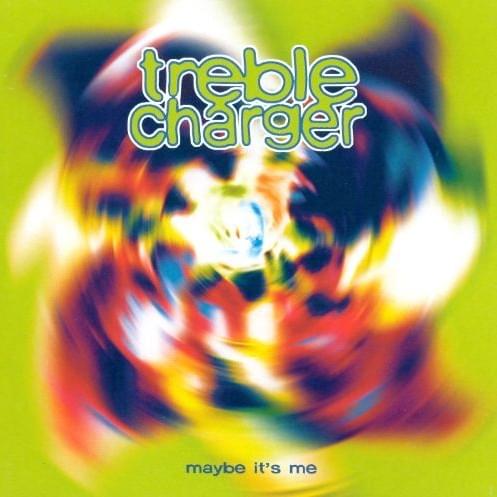
 View Artist