Song Meaning
This song paints a picture of a unique companionship, starting with a simple, almost childlike affection. The narrator describes their companion as fresh and always ready to be a "best kamerat," highlighting a pure, sweet connection that’s likened to "rein marsipan." The imagery of the companion resting its head "i bløt" (in softness, or perhaps soaking) adds a tender, vulnerable touch, contrasting with the more mundane or even industrial images of "sofa, divan, heisekran." This juxtaposition hints at a relationship that’s both comforting and perhaps a bit unusual or even utilitarian.
The core tension emerges from the passage of time and the narrator's struggle to accept it. While the companion insists "alt e som før" (everything is as before) and denies the calendar's truth, the narrator acknowledges a harsher reality: "gamle venna dør" (old friends die). This creates a poignant conflict between the companion's unwavering, perhaps naive, present-focused existence and the narrator's awareness of mortality and loss. The narrator’s impulses shift from gentle affection ("klapp på skuldra," "kyss på kinnet") to a more forceful, exasperated reaction ("spark i rævva," "ei klyse midt i"), reflecting this internal struggle.
The most striking and surreal element is the repeated desire to "spist ei pære / Ei lyspære / Sammen med dæ" (eat a pear / A lightbulb / Together with you). This bizarre image, especially the lightbulb, seems to represent a shared, perhaps destructive or illuminating, experience. It’s an act of profound, almost absurd, intimacy that transcends normal interaction. The nonsensical scat singing at the end, culminating in "Pære," reinforces the playful yet unsettling nature of this bond and the central, enigmatic symbol.
Ultimately, the lyrics resonate because they capture a specific, peculiar form of loyalty and the quiet desperation of facing change with someone who remains steadfastly, perhaps obliviously, in the present. The contrast between the sweet, almost domestic descriptions and the surreal, existential undertones makes the narrator's affection and frustration feel deeply personal and strangely compelling.
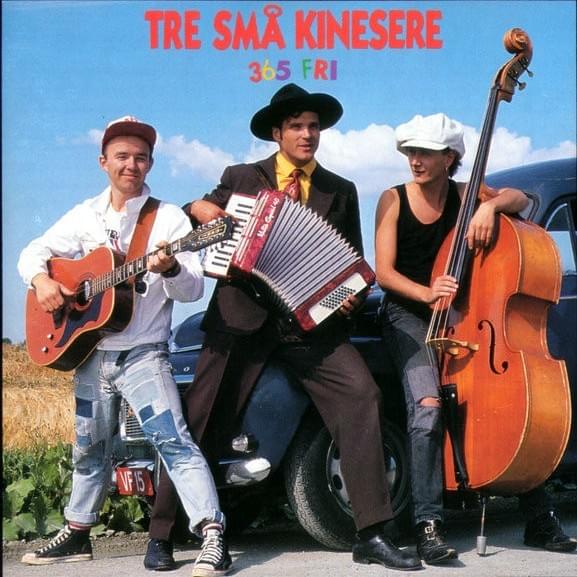
 View Artist