Song Meaning
The lyrics paint a picture of a young person grappling with the pressures of adulthood, feeling both vulnerable and determined. There's an immediate sense of childlike insecurity juxtaposed with a forced maturity, a common struggle for those navigating early independence. The narrator admits to moments of paralyzing fear, yet simultaneously asserts a drive to prove themselves, highlighting a core internal conflict.
This tension between fragility and ambition is central. The narrator is "a little boy" who feels "so scared" he "can hardly move," yet this same boy has "a lot to prove." This duality sets up the song's central metaphor, suggesting a deep-seated need to perform and succeed despite internal anxieties.
The most striking shift occurs with the introduction of the "ancient train" imagery. This metaphor powerfully conveys a sense of weariness and accumulated experience, contrasting sharply with the "little boy" persona. The train's slow but steady progress, "never turning back" despite "old wheels," speaks to a persistent forward momentum born from a long, perhaps arduous, past. The repeated question, "How long will this old train last?" echoes the earlier "How long will this young boy last?" linking the present state of aged weariness directly to the initial youthful vulnerability.
Ultimately, the effectiveness of these lyrics lies in their stark, relatable contrast between internal feeling and external presentation. The "ancient train" isn't just about age; it's about the weight of time and experience that can make even a young person feel old and worn, yet still compelled to keep moving forward. The final lines, questioning the longevity of the "old song," suggest a broader existential concern about endurance and legacy, tying the personal struggle to a more universal theme of lasting impact.
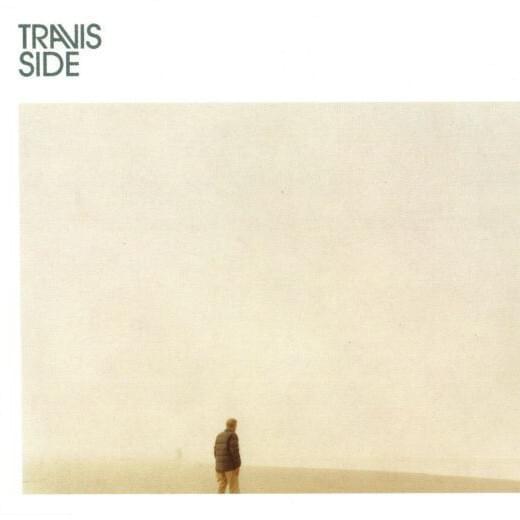
 View Artist