Song Meaning
The lyrics paint a stark picture of existential despair, beginning with a chilling "cold that feeds my blood." The narrator feels trapped within a decaying "conscience," a "dead fortress," and expresses a profound weariness with existence itself. This weariness culminates in a desire for release, even if it means ceasing to breathe, with the "suffered corpse" hitting the ground while others "pray for my life." The narrator seems to find freedom only in transcending the physical body, belonging to a "nightmare of existence" and reaching a "rotting world of god."
The central tension lies in the narrator's rejection of conventional divinity and salvation. They declare, "I can't accept a god bigger than death," suggesting a nihilistic worldview where death is the ultimate equalizer or perhaps the only true certainty. This is amplified by the feeling that the "sun getting colder," a powerful image of cosmic indifference or decay. The narrator actively "awake[s] the demons," seemingly embracing the darker aspects of existence rather than seeking solace in a benevolent higher power.
The writing uses sharp, often violent imagery to convey this internal turmoil. Phrases like "orgy of mass destruction" and "mindless and violent ritual" describe a chaotic inner landscape. The concept of "perseverance that dies in reverence" is a particularly striking antithesis, suggesting that clinging to hope or tradition in the face of overwhelming despair is futile. The "chaotic antithesis described in a book as salvation" further highlights the narrator's disillusionment with established doctrines, viewing them as contradictory or meaningless.
This lyrical construction is effective because it confronts the listener with a raw, unflinching perspective on suffering and disillusionment. The stark contrasts between life and death, existence and transcendence, and faith and nihilism create a powerful emotional resonance. The narrator's final image of a "god / That no longer deserves being adored / Sculptured in world that forgot to be buried" leaves a lingering sense of profound spiritual abandonment and the decay of meaning.
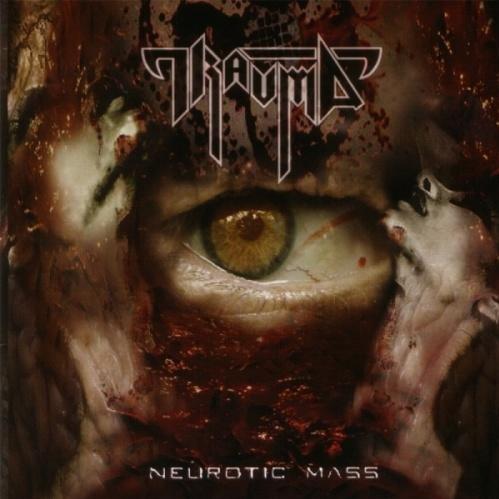
 View Artist