Song Meaning
The narrator is desperately seeking an external validation of their inner self, pleading for someone to "tear through my skin" and "break through my skull." This intense desire stems from a deep-seated fear of being truly known, admitting, "I rarely let anyone else in." The lyrics paint a picture of someone trapped by their own defenses, using a "mask" that feels like "bullshit anyway" to hide a perceived inner cowardice. This internal conflict prevents genuine growth, as the narrator acknowledges, "every chance I get to make some kind / Of room to grow / A coward fills the space."
The central tension lies in the narrator's self-awareness versus their inability to act differently. They recognize the destructive pattern of "all these lies I told to save face," yet they feel compelled by a past version of themselves, "just a kid I let that coward in." This past self has taken root, finding "home in emptiness," perpetuating the cycle of self-deception. The repeated phrase "Take it day by day" suggests a struggle for incremental progress, a hope that small steps might eventually lead to change.
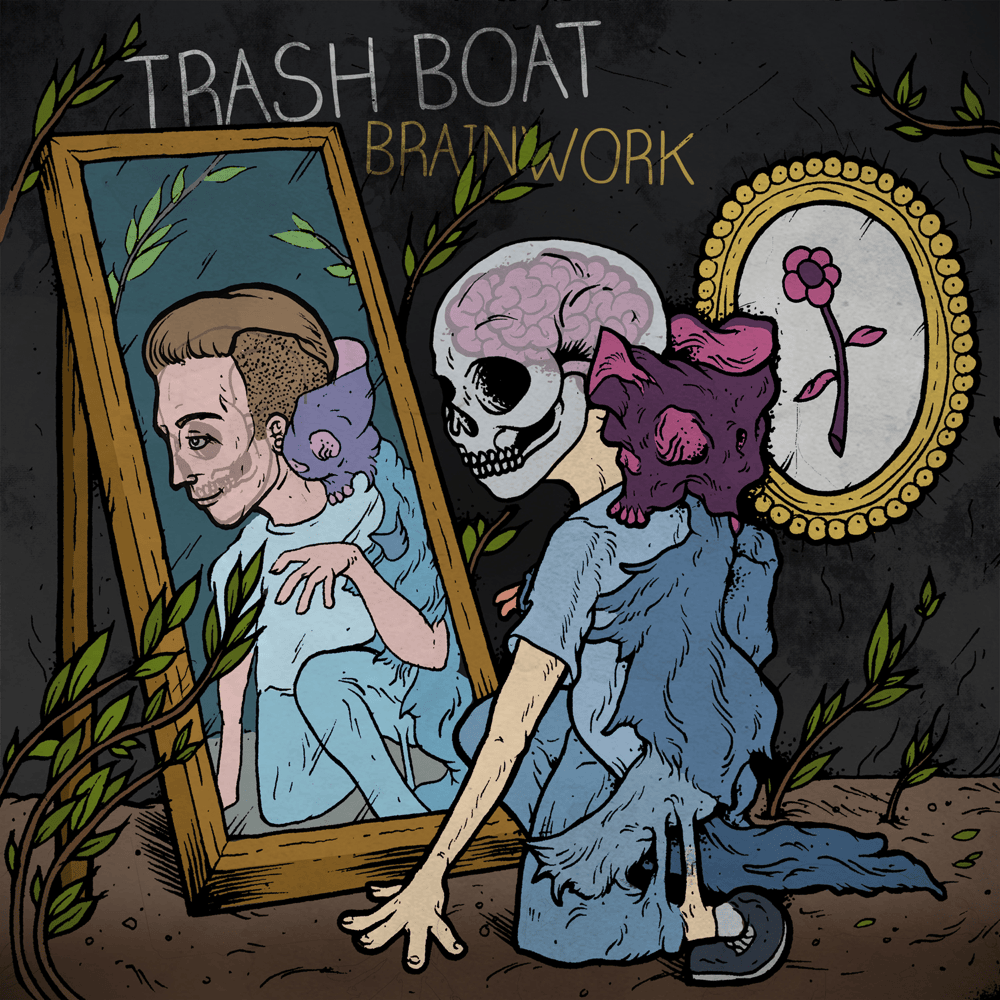
The most striking aspect of the writing is the personification of the "coward" as an internal entity that actively sabotages the narrator's attempts at authenticity. This isn't just a passive trait; it's an active force that "fills the space" and prevents growth. The narrator's internal monologue, "I tell myself I'm different / I hope someday I listen," reveals a profound disconnect between their desired self and their perceived reality, highlighting the difficulty of overcoming deeply ingrained patterns of self-protection.
Ultimately, the lyrics resonate because they articulate the painful paradox of wanting connection while simultaneously pushing people away. The raw vulnerability in the plea for someone to "tell me if this mask I made hides my face" is amplified by the self-deprecating aside, "(It's bullshit anyway)." This self-awareness, coupled with the feeling of being controlled by an internal "coward," creates a powerful portrait of someone wrestling with their own perceived flaws and the desperate hope for self-acceptance.
 View Artist