Song Meaning
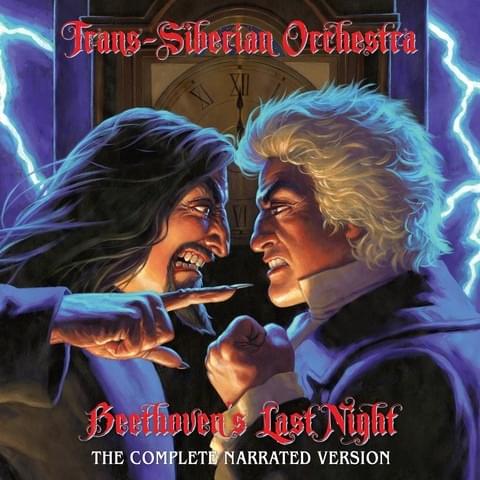
This spoken-word piece paints a scene of a somber, brooding night where unseen spirits gather and converse. The atmosphere is thick with darkness and a sense of unease, as indicated by the sputtering candles and grumbling spirits. The narrator sets a stage for a peculiar revelation, hinting at a cosmic or fated element at play with "What Fate had woven on her loom."
The central tension arises from the contrast between the spirits' trivial, scattered chatter and the profound regret experienced by Beethoven. While the spectral voices discuss matters of little consequence, the deaf composer wishes for an even greater silence, suggesting a deep internal suffering that transcends external noise. This highlights a profound isolation, where even the imagined voices of the unseen offer no solace.
The most striking element is the ironic portrayal of Beethoven's deafness. Instead of being a barrier to communication, his condition becomes a source of anguish because he can perceive the meaningless noise of the spirits. The lyrics suggest that his regret stems not from missing out on conversation, but from being privy to a cacophony of thoughts that he finds utterly insignificant, wishing for a more complete escape from it all.
This narrative is effective because it uses a specific, almost theatrical scenario to evoke a universal feeling of existential weariness. The ghost story framing, combined with the figure of Beethoven, creates a powerful image of profound disappointment. The writing makes us consider that sometimes, the greatest suffering comes not from what we cannot hear, but from what we can, especially when it's meaningless.
 View Artist