Song Meaning
The lyrics open with a stark, almost brutal honesty: "I can't love you baby / Like you need me to." This isn't a question, but a firm declaration of emotional limitation. The speaker anticipates a mutual surrender, a pre-emptive giving up on a connection that seems destined to fail. There's a palpable sense of fear, residing "In the lines and the shadows," keeping the speaker rooted in a place that's "so warm inside," unwilling to venture out.
This internal retreat creates a central tension. The speaker acknowledges a potential partner's needs while simultaneously confessing an inability to meet them. The lines "You'll give up on me / I'll give up on you" suggest a self-protective mechanism, a way to control the narrative of inevitable failure. The comfort of being "warm inside" appears to be a shield against the implied coldness or vulnerability of the outside world, where that fear resides.
The chorus shifts perspective, reflecting on a past dynamic with striking imagery: "We can lie like sinners / Breathe the air like children." This juxtaposition evokes a complex intimacy, suggesting a bond that was both transgressive and innocent, deeply shared yet perhaps unsustainable. The wistful admission, "All those times are gone," solidifies this as a memory, a chapter closed. The craft here lies in how these contrasting images paint a vivid picture of a lost connection, hinting at its depth without explicitly detailing it.
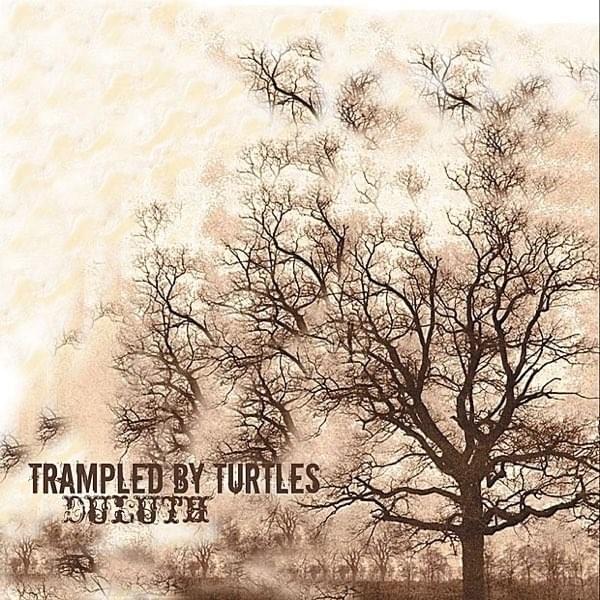
Ultimately, the lyrics find their resolution in a chosen solitude. The speaker declares, "Still I like the quiet / Of Duluth in the winter." This specific, evocative image grounds the abstract emotional state in a tangible, atmospheric place. It redefines "home" not as a bustling, relational space, but as a place of profound quiet, perhaps even isolation, where a "sacred bond" exists with stillness itself. This makes the emotional retreat feel less like a failure and more like a deliberate, if melancholic, choice.
 View Artist