Song Meaning
The narrator grapples with a bleak worldview, starting with a grim conversation about the afterlife. The idea that death offers no relief, just more of the same struggle, sets a profoundly heavy tone. The universe is reduced to its base elements – "mud and bone" – and personal burdens are carried in isolation. This initial exchange paints a picture of existential dread, where even divine or parental figures offer no solace, only confirmation of a harsh reality.
The core of the song's tension lies in the narrator's confrontation with "total depravity." This isn't an abstract concept but a tangible presence, something that stares back and stands directly in front of them. The repeated phrase, "I try to look away and I fail," underscores a desperate, yet futile, attempt to escape this disturbing realization. It suggests an inescapable truth or a deeply ingrained flaw that the narrator cannot ignore, no matter how hard they try.
The lyrics employ a stark, almost biblical, dialogue structure to convey this despair. The narrator’s appeal to "our father" and "my mother" yields only grim pronouncements. The mother’s advice to "face the butcher straight" if one wishes to avoid becoming "his plate, son" is a particularly potent image. It transforms abstract moral or societal decay into a visceral threat, a predatory force that demands direct, albeit terrifying, engagement.
This raw, unflinching depiction of inescapable negativity is what makes the lyrics so impactful. The refusal to offer easy answers or comforting platitudes, combined with the visceral imagery of the butcher and the plate, forces the listener to confront a similarly bleak perspective. The repeated failure to look away amplifies the feeling of being trapped, making the narrator's struggle feel intensely personal and unavoidable.
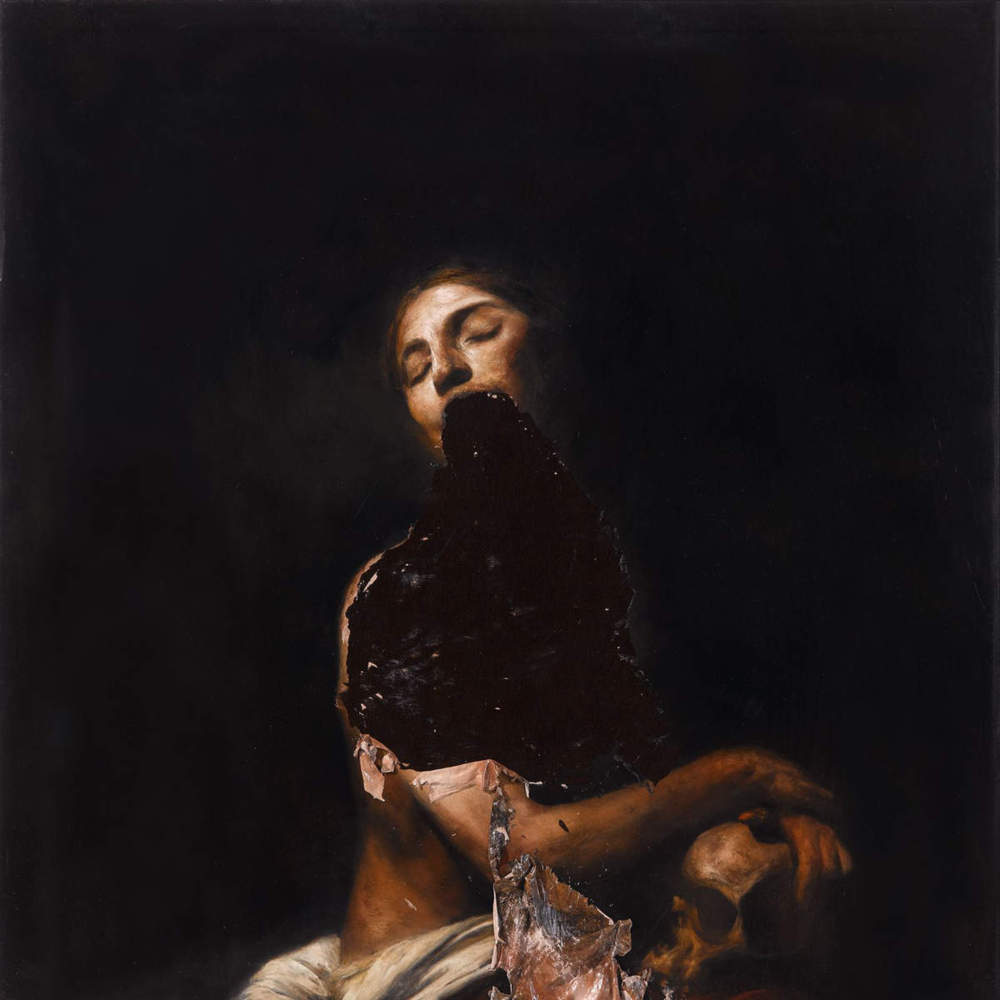
 View Artist