Song Meaning
The lyrics paint a stark picture of someone being molded and manipulated by another, who is simultaneously demanding conformity and refusing to acknowledge the resulting change. The narrator insists they remain "the same love" despite the other person's attempts to "think me into any shape." This creates an immediate tension: a plea for recognition of their unchanging core against a backdrop of imposed identity. The repeated phrase "it's just a game, love" feels less like an invitation to play and more like a weary, perhaps bitter, resignation to a destructive dynamic.
The narrative then shifts to reveal the origins of this manipulation, focusing on the other person's past. The lyrics suggest a childhood marked by hardship and a lack of innocence, hinting at a vulnerability that was exploited. Phrases like "terrible mess" and "didn't know what it was to have a new dress" evoke a sense of deprivation. The subsequent lines, "Till somebody said, 'Let me take you to bed' / And with money and lies they filled up your head," powerfully imply a predatory encounter that shaped their present.
The most striking aspect is the contrast between the narrator's plea for authenticity and the implied history of exploitation that might explain the other's behavior. The narrator is framed as the constant, the unchanging "love," while the other is presented as someone whose "twisted mind" is trapped in a cycle of control, possibly stemming from their own traumatic past. The description of the other as "barely thirteen, a child from the villages / So fresh on the scene" underscores a profound sense of lost innocence and early vulnerability, suggesting the "game" being played is one born from deep-seated pain.
This lyrical construction is effective because it juxtaposes a desperate assertion of self against a sympathetic, yet critical, portrayal of the manipulator's origins. The power lies in the narrator's persistent claim of sameness amidst the other's attempts to reshape them, hinting that true change, or the desire for it, might be rooted in the other's own damaged past rather than the narrator's actions. The lyrics leave the listener contemplating the cyclical nature of hurt and control, and the quiet desperation of trying to hold onto one's identity when faced with another's destructive patterns.
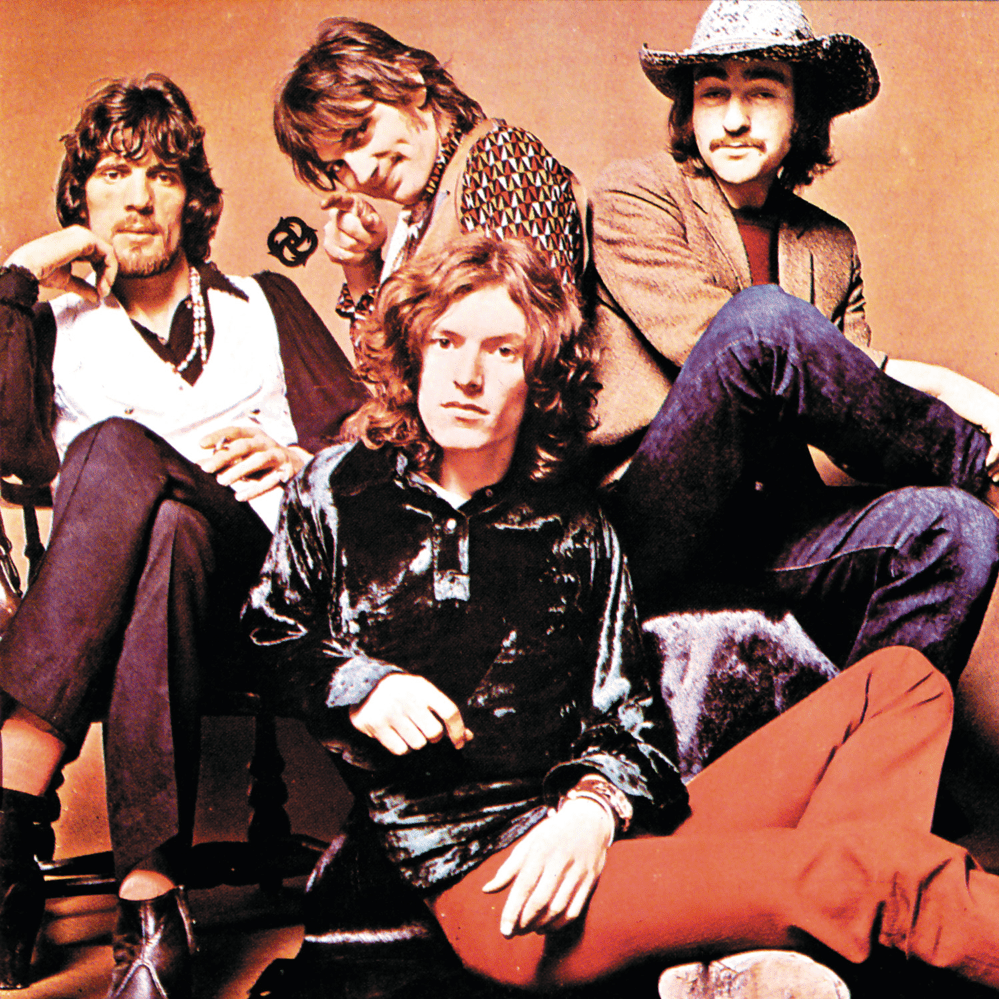
 View Artist