Song Meaning
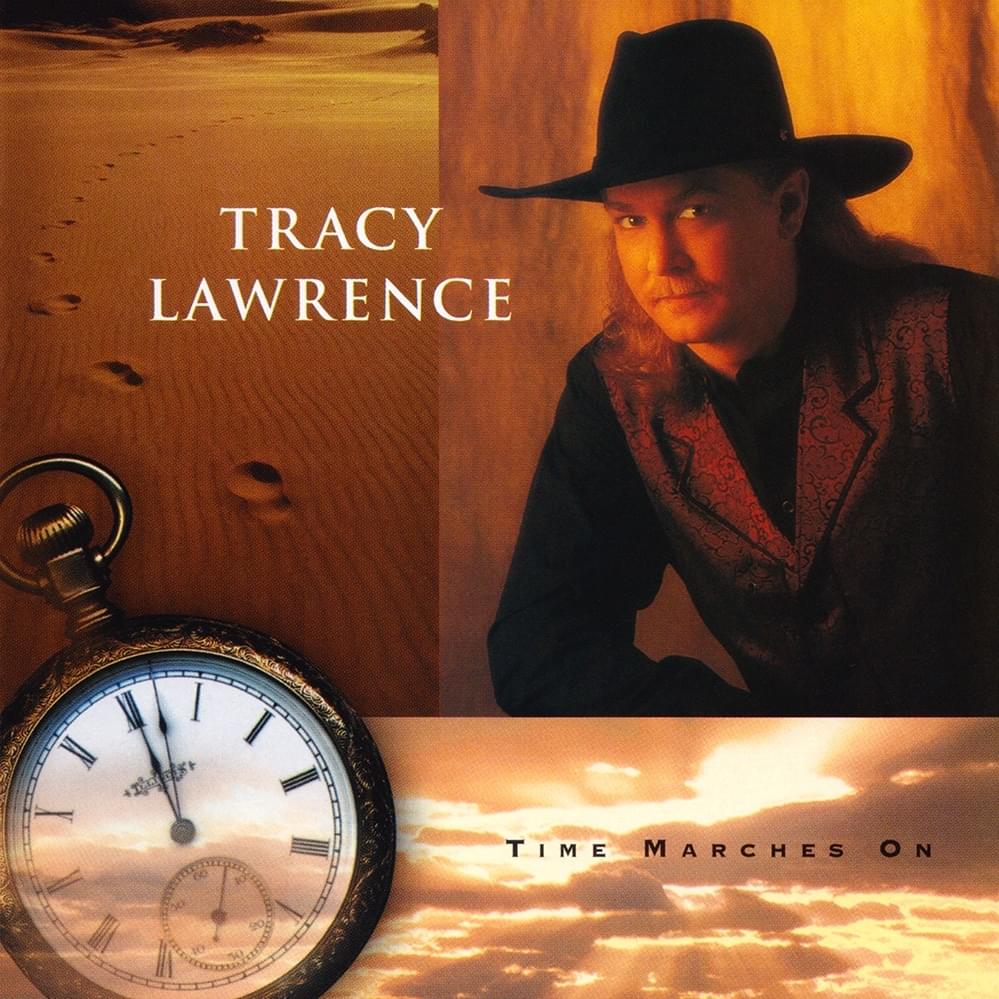
Tracy Lawrence's "If You Loved Me" isn't just another country ballad; it's a masterclass in regret and the agonizing awareness of a second chance possibly slipping away. The song circles around a central figure watching a woman he clearly cares for suffer in a relationship, a situation amplified by his past connection with her. The raw emotion isn't just about unrequited love, but about the specific pain of knowing he once held her affection and squandered it. He sees "the tears that you try to hide," feels "the heartache that you don't show," painting a portrait of silent suffering that intensifies his own internal torment. This is not a simple tale of pining; it's a self-inflicted wound, festering with the knowledge of his own past failings. The lyrics hint at a prior relationship gone sour, a consequence of his own inaction or missteps.
The chorus serves as both a promise and a plea, a declaration of how he *would* behave if given another opportunity. The lines, "I would be the shoulder you could cry on / The heart and soul you know you could rely on," are not just romantic overtures, but a direct contrast to the perceived failings of the current partner and, more importantly, an implicit acknowledgement of his own past shortcomings. The repetition of "If you loved me / If you loved me again" underscores the desperation and the awareness that her love is not a given, but something that must be earned, or perhaps, re-earned. The phrase “never let forever end” suggests a fear of abandonment, a haunting premonition that this lost connection could slip away permanently.
What elevates "If You Loved Me" beyond typical country heartbreak is the layer of accountability. Lawrence isn't just lamenting a lost love; he's grappling with the consequences of his past actions. He recognizes that he had "it all with you / 'Til it came undone, from what I didn't do." This admission of fault adds a poignant depth to the song meaning, transforming it from a simple love song into a meditation on regret, responsibility, and the slim hope for redemption. The song offers a melancholic tableau of a man forced to witness the woman he loves making the same mistakes with someone else that he once made with her, solidifying its place as a powerful exploration of love, loss, and the enduring weight of past choices.
 View Artist