Song Meaning
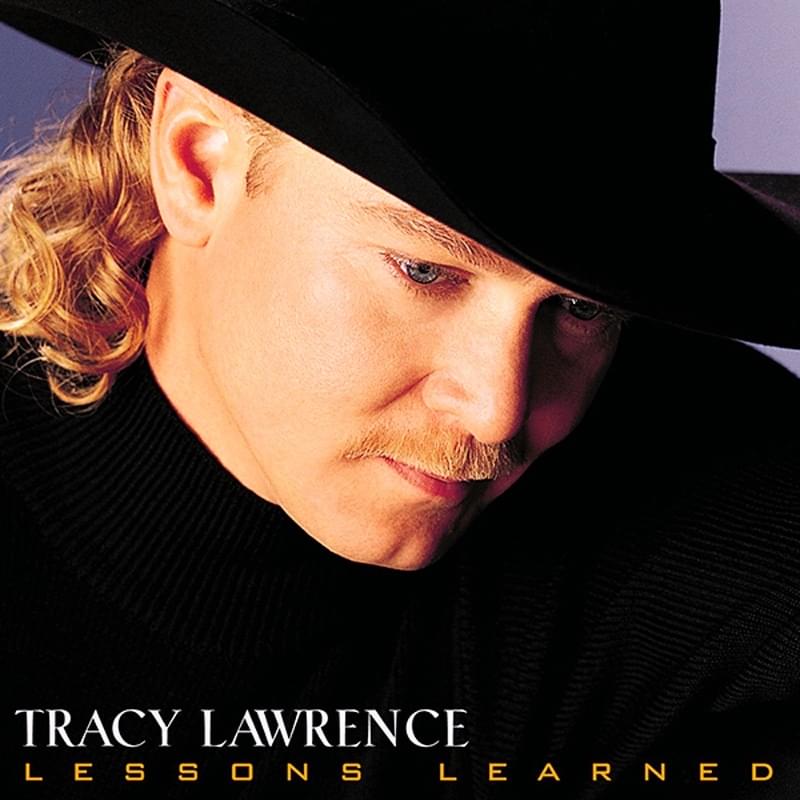
Tracy Lawrence's "From The Inside Out" isn't just another country ballad about lost love; it’s a brutal autopsy of emotional neglect. The song's power lies in its unflinching portrayal of a man grappling with the realization that his self-absorption led to the slow, silent erosion of his relationship. It's a narrative we've heard before—the workaholic, the oblivious partner—but Lawrence frames it with a specific kind of regret, one that stings with the knowledge that the damage was self-inflicted. He sings, "I ran the race for me / She went an extra mile for us," laying bare the imbalance of effort and emotional labor that ultimately doomed the partnership. The beauty here is the starkness of the confession. There are no excuses, just the cold, hard truth of his failings. This isn't about blaming external forces; it's about confronting the internal ones.
The recurring line, "She never let it show / From the outside looking in, nobody could've known," cuts deepest. It speaks to the quiet suffering, the unseen burden carried by the woman in the relationship. The "breaking from the inside out" isn't a dramatic explosion but a gradual fracturing, a silent collapse hidden behind a facade of normalcy. Psychologically, this resonates with the concept of emotional repression, where unacknowledged needs and feelings fester until they become unsustainable. The male narrator's blindness isn't just a character flaw; it's a commentary on societal expectations, the way we often fail to recognize the subtle signs of distress in those closest to us, particularly when those signs are deliberately concealed.
Ultimately, the song meaning of "From The Inside Out" rests on this painful irony: the man only gains clarity in retrospect, after the relationship has already crumbled. The lyrics analysis reveals a narrative far more nuanced than a simple breakup song. It's a cautionary tale about the importance of emotional attentiveness, the dangers of taking loved ones for granted, and the devastating consequences of failing to see beyond one's own needs. It's a raw and honest exploration of the human capacity for both love and profound, often unintentional, cruelty.
 View Artist