Song Meaning
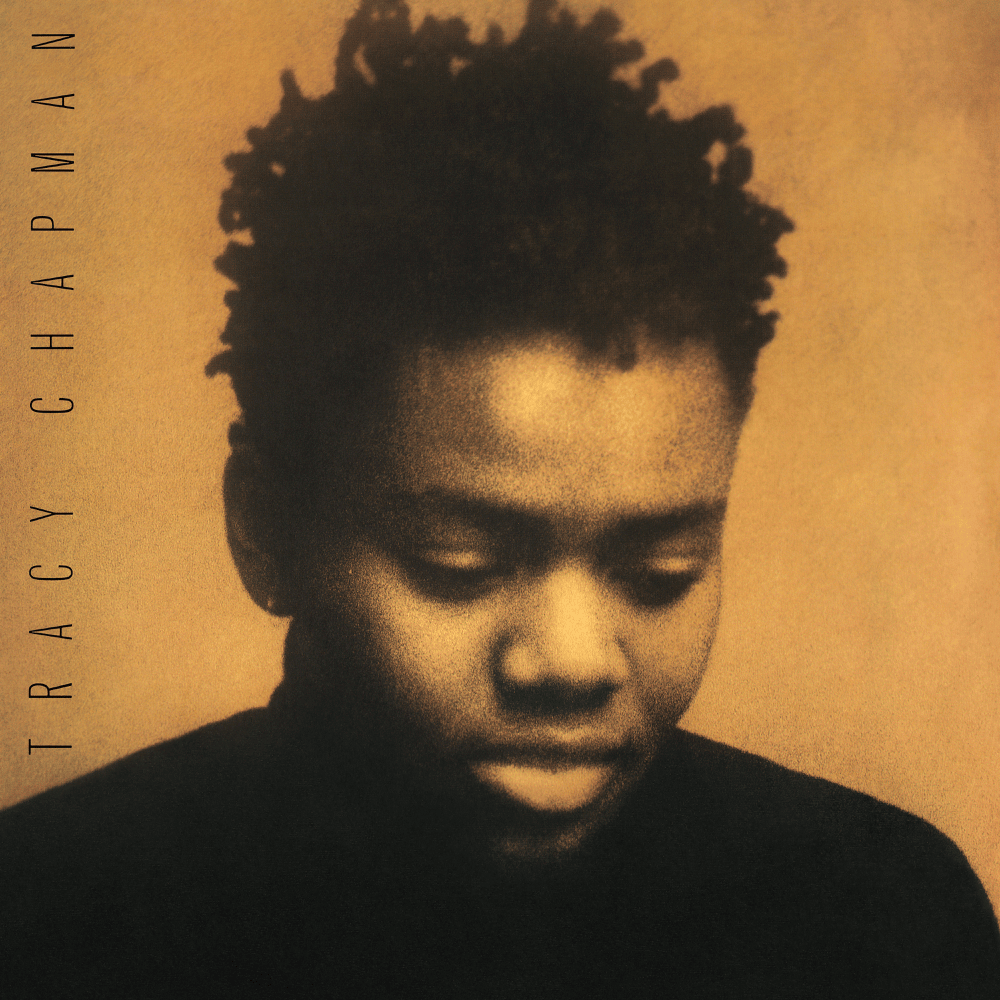
{"song_id": 11929807, "meaning": "Tracy Chapman's \"Behind the Wall\" isn't just a song; it's a chilling, minimalist portrait of domestic violence and systemic indifference. Stripped down to its barest acoustic elements, the song amplifies the stark reality of what happens when screams are muffled, and cries for help are ignored. The genius of Chapman's songwriting lies in its unflinching directness. She doesn't rely on flowery language or complex metaphors; instead, she presents a series of observations, each more damning than the last. The 'wall' becomes a symbol of both physical confinement and societal apathy, a barrier that traps the victim while simultaneously shielding the outside world from the brutal truth. The cyclical nature of the lyrics, with the repeated refrain of screaming and the futility of calling for help, reinforces the feeling of inescapable horror.
The true horror of \"Behind the Wall\" resides not only in the violence itself, but in the normalization of it. The lyrics expose the disturbing reality of how domestic abuse is often dismissed as a 'private matter,' something that law enforcement is hesitant to interfere with. The line 'The police always come late, if they come at all' speaks volumes about the systemic failures that allow abuse to continue unchecked. Chapman highlights how the very institutions meant to protect often perpetuate the cycle of violence by turning a blind eye. The song implicates not just the abuser, but also the bystander—the listener—forcing us to confront our own complicity in a world where such horrors occur behind closed doors.
Chapman's song meaning is amplified by the shift from screaming to 'a silence that chilled my soul'. This lyric paints a vivid picture, suggesting a potential escalation of violence, possibly even death. The neighbor's desperate prayer that it's all a dream underscores the psychological toll that witnessing such events can take. The arrival of the ambulance is not a sign of hope, but rather a confirmation of the worst possible outcome. The policeman's detached request for the crowd to disperse, so 'we all could use some sleep', is a final, devastating indictment of a system that prioritizes order and quiet over the safety and well-being of its citizens. Tracy Chapman masterfully crafts a narrative that lingers long after the song ends, forcing us to confront the uncomfortable truths about violence, silence, and the walls that separate us from each other's pain."}
 View Artist