Song Meaning
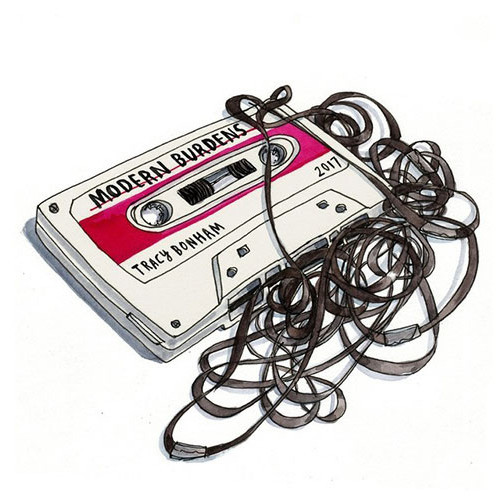
Tracy Bonham's revisit to the idea of being a "One Hit Wonder" isn't a gentle reflection; it's a barbed-wire enema aimed at anyone who dares to define her by fleeting metrics of success. The opening lines, dripping with sarcasm, immediately establish a combative stance. The desire to "hit you right between the eyes" isn't literal violence, but a metaphor for intellectual and artistic annihilation of those who underestimate her multifaceted talent. Bonham's lyrics serve as a defiant refusal to be pigeonholed, a furious rejection of the limited expectations placed upon female artists, and a broader commentary on the music industry's shallow obsession with instant gratification. The image of a "girlie wonder" wanting to be more than "one thing at a time" encapsulates the frustration of being seen as a novelty rather than a serious, evolving artist.
The repeated declaration "I own the world / I bought the whole damn world / From the man who sold the world" is a complex assertion of power. It's partly bravado, a way of reclaiming agency in a system designed to diminish her. Referencing "the man who sold the world" (likely nodding to David Bowie) adds another layer, suggesting a lineage of artists who dared to subvert expectations and challenge the status quo. The "million dollar caddy world" and "million dollar cranky world" are cynical twists, indicating that even in this self-proclaimed ownership, there's a sense of disillusionment and weariness with the trappings and compromises of the industry. It's a world bought at a price, perhaps a piece of her own artistic soul.
The bridge, "So could you just bend right over? / To see how it feels to be / To see just how it feels / To be alive," is arguably the most potent moment of the song. It's a challenge to the listener to empathize, to understand the lived experience of an artist constantly battling for recognition and respect. The repetition of "And you'll get it over and over" reinforces the cyclical nature of this struggle. Bonham's "One Hit Wonder" isn't just a song; it's a primal scream against artistic confinement and the relentless pressure to conform. The assertion that "God only knows that is the only one of mine" suggests that this defiant spirit is the core of her being, a non-negotiable aspect of her identity as an artist.
 View Artist