Song Meaning
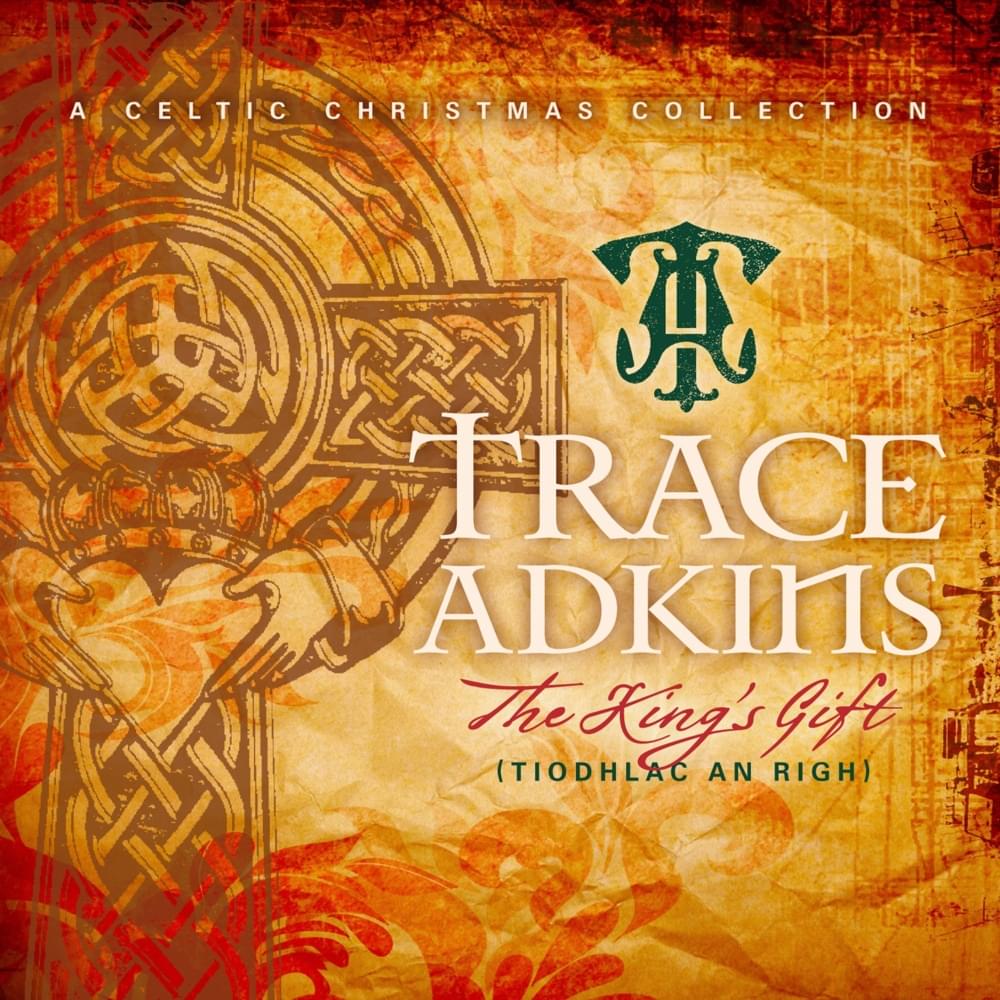
Trace Adkins doesn't simply sing "Oh Holy Night"; he embodies its soaring, devotional power. The song, a Christmas staple, transcends mere holiday cheer, tapping into something far deeper: the yearning for redemption and the transformative power of hope. Its lyrical simplicity belies a profound understanding of the human condition, portraying a world languishing in "sin and error," a state of spiritual exhaustion familiar to us all. Adkins, with his resonant baritone, doesn't preach; he testifies. He channels the collective sigh of relief, the feeling of release that accompanies the arrival of something truly sacred.
The genius of "Oh Holy Night" lies in its masterful use of contrast. The "weary world" juxtaposed with the "thrill of hope" creates a palpable sense of anticipation and joy. It's not just about celebrating a birth; it's about recognizing a turning point, a moment when the soul rediscovers its inherent value. The image of a "new and glorious morn" breaking on the horizon is both literal and metaphorical, suggesting not only the dawn of a new day but the dawn of a new era, a new possibility for humanity. The song deftly captures the emotional gravity of a spiritual awakening.
Ultimately, "Oh Holy Night," as interpreted by Trace Adkins, is an invitation to surrender. The repeated call to "fall on your knees" isn't about blind obedience; it's about acknowledging something bigger than ourselves, a force that can lift us out of our despair and remind us of our potential for grace. The song's enduring appeal stems from its ability to articulate this universal longing, offering solace and inspiration in a world that often feels devoid of both. It is less a song to be listened to than an experience to be felt, a moment of collective catharsis that transcends cultural and temporal boundaries.