Song Meaning
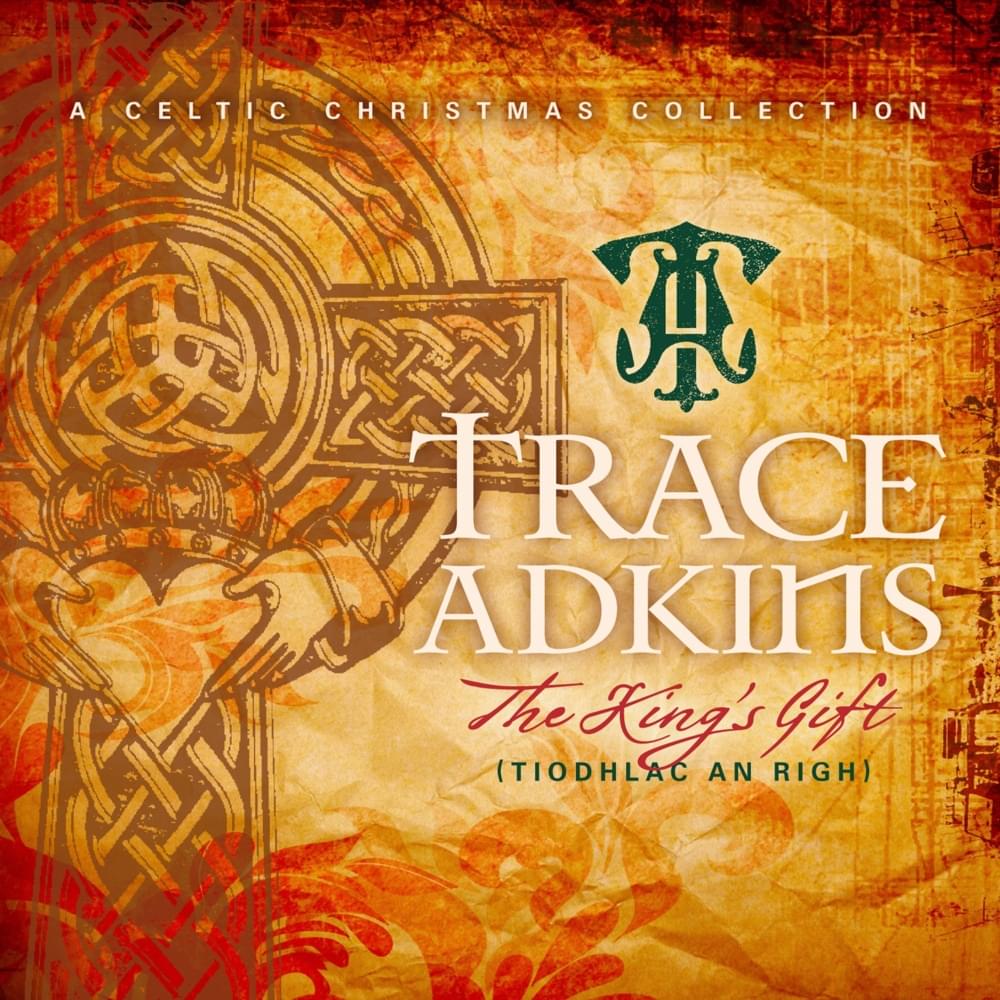
Trace Adkins' rendition of "I Saw Three Ships" isn't just another carol dusted off for the holidays; it's a robust affirmation of faith and communal joy. Stripped down to its core, the song's meaning revolves around the arrival of hope and salvation, symbolized by the three ships sailing into Bethlehem. The repetition of "on Christmas Day" anchors the listener in the present, emphasizing the immediate and recurring nature of this spiritual arrival. It's not a distant historical event but a present-day experience, renewed each Christmas. The psychological comfort of cyclical traditions shines through here, a dependable rhythm in a chaotic world.
While the lyrics are sparse, their simplicity amplifies the message. The question "Pray, wither sailed those ships all three?" isn't about geographical curiosity; it's a yearning to understand the path to redemption. The answer, of course, is Bethlehem, the birthplace of Christ. This journey represents an inward pilgrimage, a seeking of spiritual grounding. Adkins' baritone lends a gravity to this quest, reminding us that faith isn't passive; it's an active pursuit. The ringing bells and singing souls expand the personal experience into a collective one, suggesting a shared euphoria and unified belief.
The true genius of "I Saw Three Ships," especially in Adkins' interpretation, lies in its bridge: "Then let us all rejoice again." This isn't just about celebrating a historical event; it's an invitation to actively participate in the joy of Christmas. It acknowledges the potential for cynicism or weariness, especially in a world that often feels far removed from the original spirit of the holiday. Yet, it insists on the power of communal celebration as a means of transcending individual anxieties and finding solace in shared faith. The song becomes an aural reminder to choose joy, to choose connection, and to embrace the enduring message of hope that Christmas represents.