Song Meaning
The lyrics paint a picture of a bleak, controlled existence where freedom is an illusion. The opening lines suggest a surrender to circumstances, a "sinking" that paradoxically leads to a perceived "fucking free" state. However, this freedom is immediately undercut by the image of "nine jealous 'yes men'" and the narrator's stark assessment: "I call that misery." This sets up a central tension between a manufactured sense of control and the crushing reality of being manipulated.
The core conflict revolves around blame and agency. The repeated "Blame the boss, straight to bed" and "Blame the strings, you sick puppet" highlight a pattern of deflecting responsibility. The narrator, however, pushes back against this, asserting, "But sometimes a string is just a fucking string!" This defiant statement suggests that not every constraint is a deliberate plot, and perhaps the puppet master is simply the nature of things, or even the puppet's own inaction.
The inclusion of Edie Slackjaw adds a layer of dark, almost absurdist narrative. He's presented as a figure who provided for his family but met a violent end, a stark contrast to the "straight to bed" consequence for blaming the boss. This vignette seems to imply that even in a seemingly simple, albeit grim, existence, death can arrive unexpectedly, further complicating the idea of control and blame.
Ultimately, the lyrics resonate because they tap into a universal feeling of being caught in systems beyond one's control, while simultaneously questioning the ease with which we assign blame. The raw, almost aggressive language, coupled with the cyclical structure, amplifies the sense of frustration and the desperate search for an external scapegoat, even when the "strings" might just be... strings.
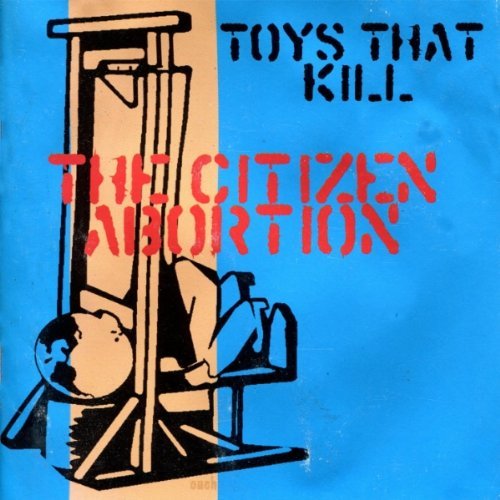
 View Artist