Song Meaning
This track paints a stark picture of relentless, back-breaking labor and the desperate yearning for escape. The narrator grapples with a "nine pound hammer" that's "a little too heavy," immediately establishing a sense of overwhelming physical burden. This isn't just about a tool; it feels like the weight of his entire existence, too much for his frame to bear. The declaration, "I ain't comin' back," after heading to "see my baby" suggests a one-way trip, a final, perhaps fatal, departure from this crushing reality.
The core tension lies in the inability to move forward, captured perfectly in the chorus. The "wheels won't go" and the narrator "can't roll" or "can't pull," despite the urgent command to "roll on buddy." This cyclical frustration highlights a trap: the work demands movement, but the means of movement are broken or insufficient. It’s a poignant metaphor for being stuck, unable to escape the cycle of labor even when the desire for freedom is strong.
The lyrics cleverly weave together the tools of the trade with the ultimate finality of death. The desire to see his "baby" and the mention of "Harlan" and "Hazard" ground the narrative in a specific, arduous context, likely mining. Yet, the chilling request for his tombstone to be made "outta number nine coal" connects his life's work directly to his end. It’s a grim, powerful image of being consumed by the very industry that defines him, with no escape even in death.
Ultimately, the song’s power comes from its raw, unvarnished portrayal of a life defined by struggle and the faint, almost impossible hope of release. The simple, repetitive structure and the stark imagery of the hammer, the wheels, and the coal combine to create a feeling of inescapable gravity. It’s a bluesy lament that resonates with anyone who’s ever felt crushed by circumstances, yearning for a way out that seems perpetually out of reach.
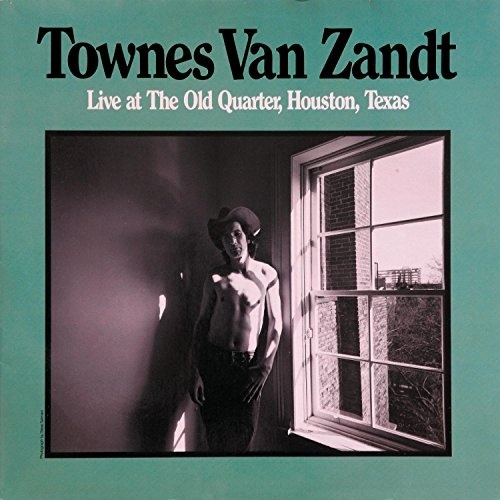
 View Artist