Song Meaning
The lyrics paint a stark picture of a narrator grappling with a painful realization: their feelings have changed, and they can no longer sustain a relationship, specifically addressing a "Mama" figure. The opening lines, "Mama, I don't love you anymore," immediately establish a tone of regret and finality, juxtaposed with the harsh reality of financial struggle, "Money's, got me crawlin' on the floor." This suggests a complex emotional state where personal relationships are strained by external pressures, leading to a sense of shame and a desperate need to depart.
The central tension arises from the narrator's internal conflict and their plea for guidance, which is met with a pragmatic, almost resigned response from the "Girl." The narrator's repeated calls to "Mama" seem to shift to an address to a "Girl" in the chorus, creating ambiguity about who is being spoken to or if "Mama" is a term of endearment for a lover. The "Girl's" advice, "Stay as long as you can / But don't wait till you're thrown away," is a poignant mix of encouragement and warning, highlighting the precariousness of the situation and the fear of being discarded.
The lyrics employ a striking contrast between the narrator's declaration of lost love and the "Girl's" practical advice. The narrator's repeated apologies, "Sorry, I'm not the boy you're looking for," underscore a feeling of inadequacy and a desire to escape a role they can no longer fulfill. The final lines, "See the girl with they eyes on fire / Now he know she's the one he desires," introduce a new perspective, hinting at a potential shift or a lesson learned, possibly by the narrator or another observer, about recognizing true desire only when it's almost too late.
What makes these lyrics resonate is their raw honesty about difficult emotional transitions and the often-uncomfortable truths that accompany them. The interplay between the narrator's desperate pronouncements and the "Girl's" measured response creates a palpable sense of unease and vulnerability. The writing captures the painful moment of recognizing a relationship's end, complicated by external factors and the fear of future abandonment, making the emotional weight of the situation feel immediate and real.
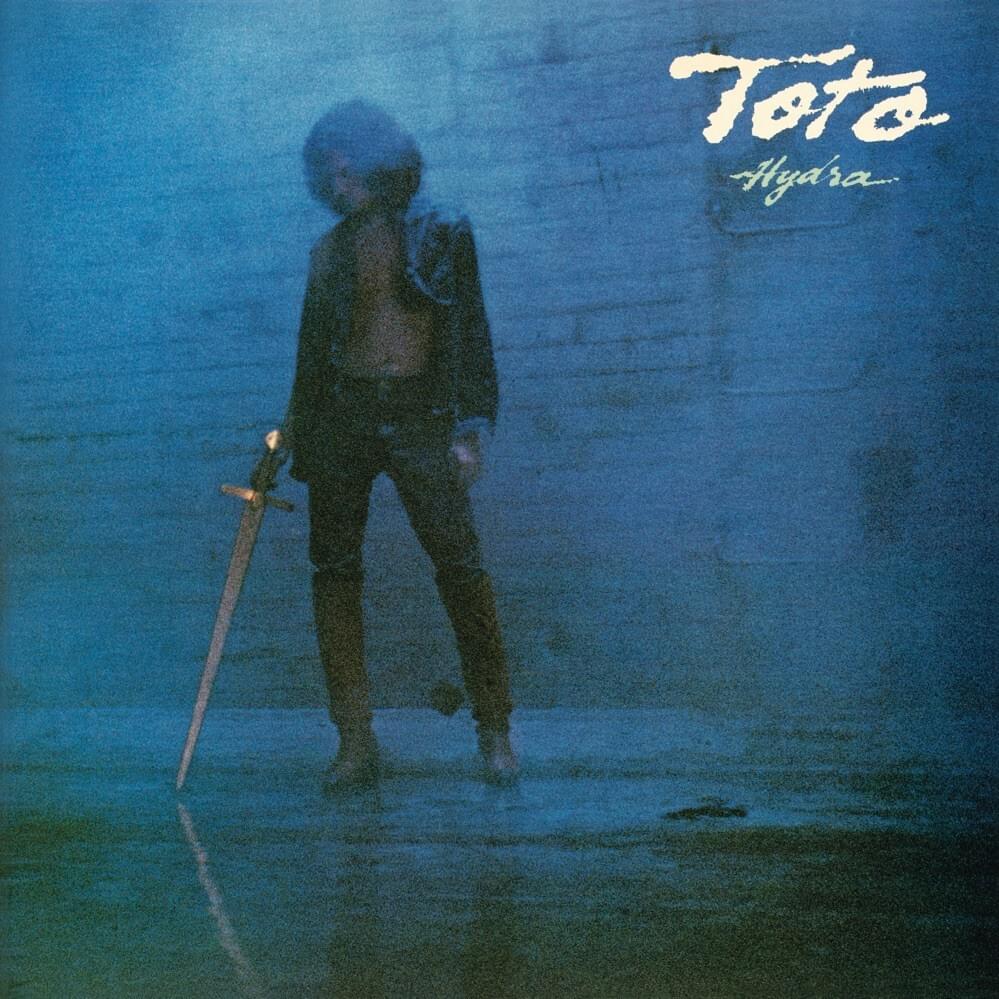
 View Artist