Song Meaning
The lyrics open with a stark declaration: "Se murió mi gallo tuerto." This immediate loss of the one-eyed rooster sets a somber tone. The narrator's first thought, "Que será de mi gallina," reveals an immediate concern for the disruption this death causes. It's a simple, poignant lament for a beloved animal and its impact on a small, domestic world.
The central tension here is the sudden void left by the rooster's passing. The lyrics recall its morning ritual, singing "A las cuatro de la mañana" in the kitchen, a detail that paints a vivid picture of routine and companionship now shattered. This regular, vibrant presence is contrasted sharply with its current absence, creating a deep sense of longing for what was. The simple "Cocoroyó" refrain, repeated even in lament, underscores the rooster's defining characteristic.
The power of these lyrics lies in their repetitive, almost chant-like structure. Phrases are echoed, building a mournful rhythm that mirrors the narrator's persistent grief. This repetition isn't just for emphasis; it evokes the circular nature of sorrow, returning again and again to the core loss. The use of "Pobre mi gallito tuerto" adds a tender, diminutive touch, deepening the affection and pity felt for the animal.
The narrative arc, though brief, adds another layer of pathos. The rooster's journey from "Chimichahua" and its demise on the boat suggest a life that traveled, only to be cut short by an unseen "peste." This detail elevates the rooster's death from a simple farm animal's passing to a more tragic, fated event, an uncontrollable force claiming a cherished life. The lyrics effectively convey a profound, yet understated, grief for a creature whose daily presence shaped the narrator's world.
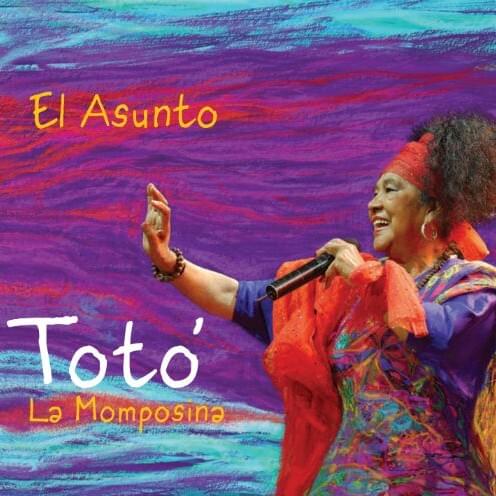
 View Artist