Song Meaning
The lyrics paint a vivid picture of intense, all-consuming desire and a desperate plea for a lover to stay. The opening lines immediately establish a pervasive presence: "Nel cuore, tu / Nei sensi, tu / E nella mente tu," suggesting this person occupies every facet of the narrator's being. This isn't just affection; it's an overwhelming fixation, a complete surrender of will to the object of their desire, summed up by "Non voglio che / Volere te / Toccare te..."
The scene is set with tangible elements of intimacy and comfort: the bed, the wine, the lover's home. Yet, this domestic scene is charged with an urgent tension, a fear of abandonment. The repeated, almost frantic, "Non andar via" underscores the narrator's vulnerability and their deep-seated need for this person's presence. The plea is directed not just to a lover, but to "Amor mio" and "Anima mia," elevating the connection to something profound and essential.
The narrative shifts slightly as the narrator observes Francesca, who seems to be contemplating leaving. The external setting of rain and the question "Fuori che fai?" contrast with the internal plea, highlighting the precariousness of the moment. The narrator's desire becomes more physical and possessive: "Le voglio io / Le mani mie / Sulla tua pelle nuda," but it's immediately tempered by the acknowledgment of the lover's agency, "Ma tu non puoi / Andar via..." This creates a compelling push-and-pull between the narrator's need and the lover's potential departure.
Ultimately, the lyrics articulate a profound interdependence, where the narrator feels they *are* the other person: "Io sono te / E tu sei me..." This merging of identities intensifies the fear of separation, leading to the stark declaration, "So che morirei / Senza te..." The effectiveness lies in this raw, unvarnished expression of need, where the beloved is not just desired but is the very foundation of the narrator's existence, making the plea to stay feel like a matter of life and death.
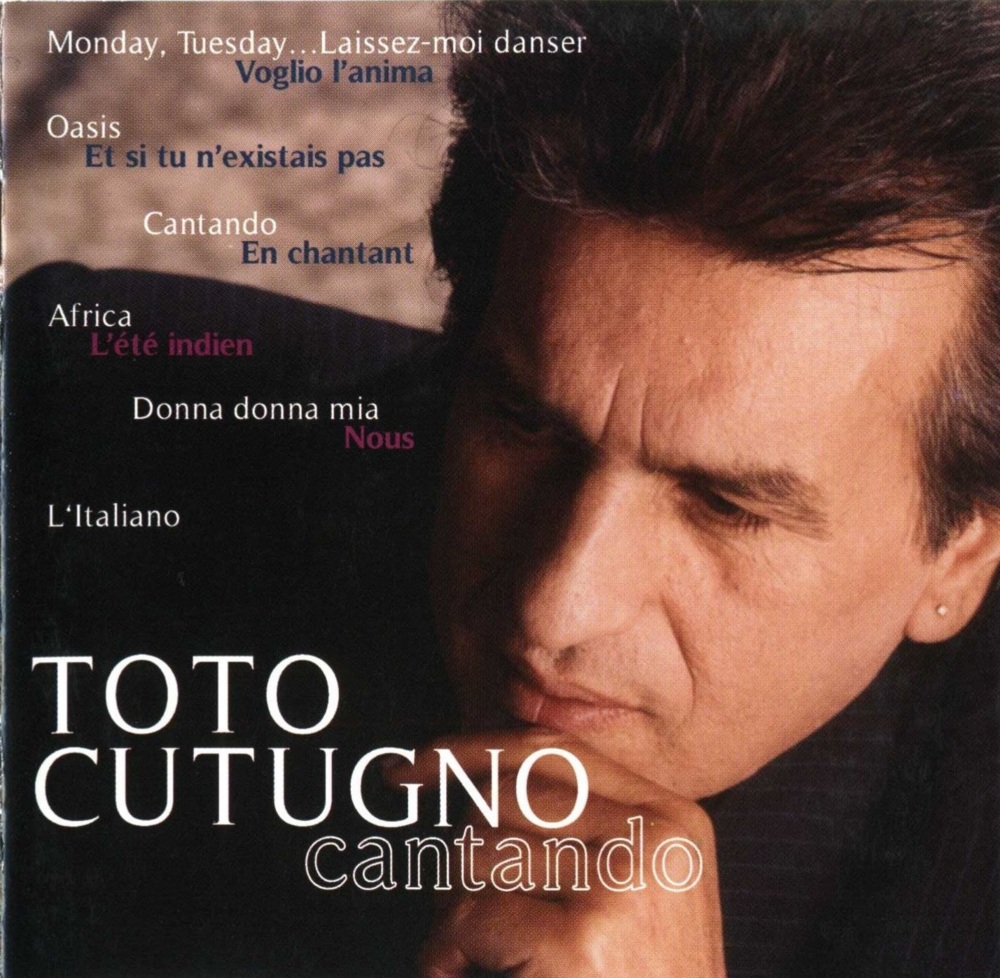
 View Artist